Order why the entrance sequence matters for the entire event
"Order is the silent architect of every successful formation." This structure builds anticipation, leading toward the grand entrance of the wedding partner. Traditionally, the sequence moves from those who represent the support system to the central figures of the ceremony.
* Understanding the traditional hierarchy of the wedding party. * Guidelines for movement and positioning during the walk. * How to manage different ceremony layouts and paths. * Practical steps for coordinating the transition from entrance to seating.
Why does the entrance order matter so much?
A heavy door creaks open in the morning light, signaling that the entrance order will set the tone for the entire hall.
The air is thick with anticipation, and every person stepping through the threshold sets the tone for the entire event.
According to the FDA, the new order focuses on regulating food safety rather than festivals.
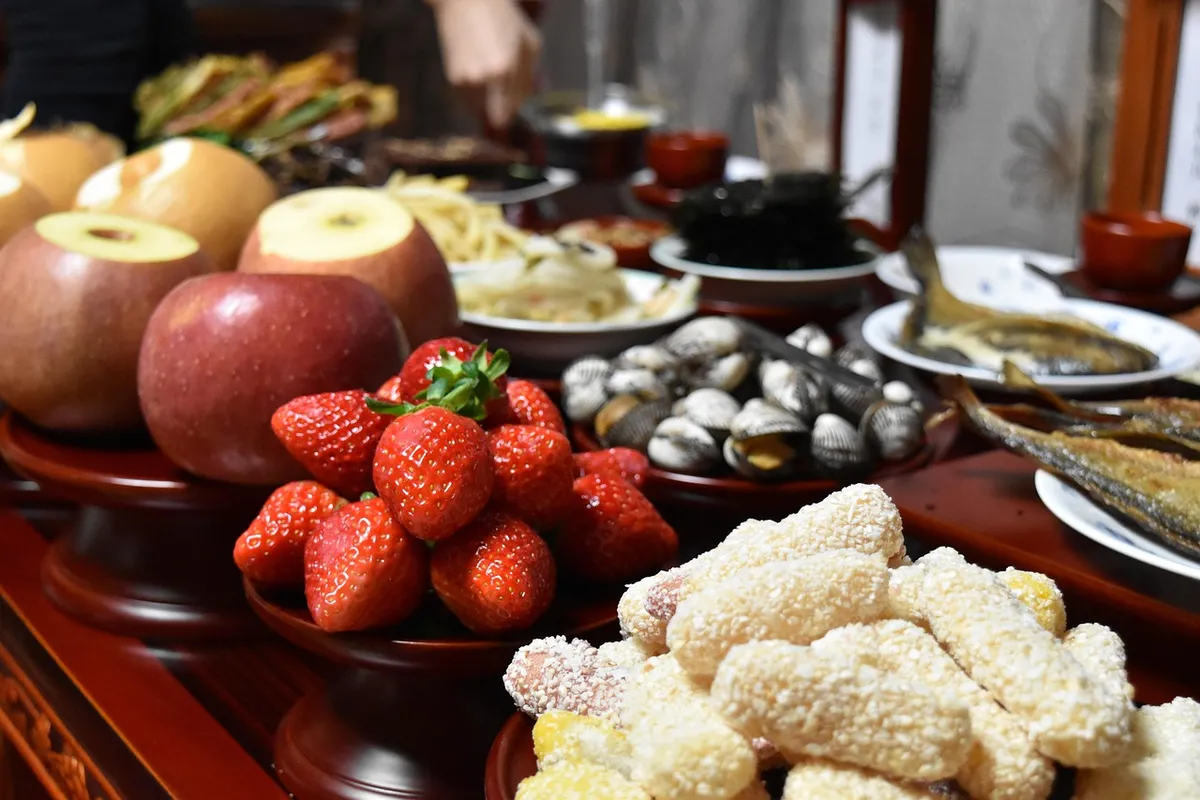
The order of a wedding procession is not just about aesthetics; it is about honoring the significance of the roles being played and managing the visual focus of the audience.
By establishing a clear hierarchy, the wedding party ensures that the most important moments receive the undivided attention they deserve.
In many Western traditions, the procession begins with the officiant and the groom, followed by the bridesmaids and groomsmen.
If the order is disorganized, the emotional impact of the climax—the arrival of the main couple—can be diluted by a lack of focus.
The sequence serves as a roadmap for the guests, signaling the transition from the casual gathering phase to the formal ritual. When everyone knows their place, the movement feels natural rather than forced.
How do participants manage the movement path?
In the evening I hold order and walk through the next step.
The wedding party stands in a quiet hallway, checking their attire in small mirrors before the signal to move is given. A sudden hush falls over the room as the music changes, signaling that the path is clear.
The movement path, or the aisle, is the physical stage where the ceremony unfolds, and managing it requires careful coordination. Participants must maintain a consistent pace, ensuring that the spacing between individuals remains uniform to prevent the line from looking cluttered or too sparse.
Standard rules for the movement path include: 1. Maintaining a slow, deliberate walking pace to allow photographers to capture the moment. 2.t Keeping a consistent distance of approximately three to five feet between each person in the line. 3.
Walking in a straight line toward the altar or designated focal point, avoiding zig-zagging.
If the venue has a narrow aisle, the movement path might require a single-file line, whereas a wide cathedral aisle allows for pairs. The path must be kept clear of decor or guests' belongings to prevent tripping hazards.
I once observed a ceremony where the aisle was cluttered with floral arrangements, causing the bridesmaids to stumble, which disrupted the entire flow of the entrance.
The goal is to create a seamless flow where one person's exit from the aisle perfectly matches the next person's entry. This rhythmic movement creates a sense of momentum that carries the ceremony forward.
What are the essential rules for participants?
A bridesmaid adjusts her bouquet, taking a deep breath as she prepares to step onto the carpeted aisle. She glances at the person ahead of her, waiting for the exact moment to begin her walk.

The rules for participants are designed to maintain decorum and ensure that the focus remains on the ceremony's purpose. Every person in the wedding party has a specific duty to perform while moving, which requires discipline and awareness of their surroundings.
Participants should adhere to these behavioral standards: * Eye contact should be kept soft or directed slightly ahead, rather than staring directly at guests. * The bouquet or ceremonial object should be held at waist height to avoid obscuring the face.
* Walking should be done with a natural gait, avoiding overly dramatic strides.
When walking in pairs, the individuals should stay synchronized to prevent one person from appearing to lead or lag. If a single person is walking alone, they should occupy the center of the path to maintain balance.
These rules ensure that the movement looks intentional and respectful to the setting.
Failure to follow these subtle cues can lead to a distracted audience. When the participants act with poise, the guests feel more connected to the gravity of the event.
How is the seating arrangement handled?
The guests look toward the front of the room, watching as the wedding party begins to take their places. The empty chairs at the front stand ready, waiting for the formal assembly to complete.
The seating arrangement is the final step in the procession, where the moving line transforms into a stationary assembly. This transition must be handled smoothly to avoid a bottleneck at the front of the room.
Typically, the wedding party members move from the end of the aisle to their designated seats. Groomsmen usually take their places on one side, while bridesmaids take their places on the opposite side. The officiant and the groom occupy the primary positions at the front, facing the guests.
There are specific ways to handle the seating transition: 1. The last person in the procession should wait a few moments before moving to their seat to allow the group to settle. 2. Participants should move toward the seats in a way that does not block the view of the guests. 3.
Once seated, the group should remain still until the next significant movement occurs.
In larger ceremonies, the seating might be tiered, requiring participants to move toward different levels. Coordination between the wedding planner and the participants is vital to ensure that the transition from walking to sitting does not cause a crowd to form at the altar.
What are the different types of procession styles?

A small group gathers in a garden, the path winding through flowers and greenery toward a simple wooden arch. The setting is intimate, and the movement feels organic rather than strictly formal.
Different ceremony settings require different styles of procession. A traditional church setting often demands a more formal, structured approach, while an outdoor or modern setting might allow for more creative movement.
Common styles include: * Traditional Linear Procession: A single line moving from the back to the front, often used in religious settings. * Pair-Based Procession: Participants walk in pairs (e.g., bridesmaids and groomsmen), which is common in modern Western weddings.
* Processional Loop: A more unique style where the party moves through a circular path or around the venue before reaching the front.
The choice of style depends on the venue's layout and the desired atmosphere. A formal ballroom requires a structured, disciplined line, whereas a beach setting might favor a more relaxed, staggered entry. Regardless of the style, the fundamental principles of pace and spacing remain the same.
Choosing the wrong style for a space can lead to logistical issues. For example, a pair-based procession in an extremely narrow aisle can cause guests to feel cramped or block the view of those seated in the front rows.
How to coordinate the transition from entrance to ceremony?
The music swells to a crescendo, and the final member of the wedding party reaches the front, turning to face the audience. There is a momentary pause, a quiet breath of stillness, before the ceremony officially begins.
The transition from the entrance to the start of the ceremony is the most critical moment for the wedding party. It is the moment where the movement ends and the ritual begins.
To manage this transition effectively, follow these three steps: 1. The Pause: Once the final person reaches their position, there should be a deliberate pause of five to ten seconds. This allows the energy of the room to settle and gives photographers time to capture the completed formation. 2.
The Turn: Participants should turn to face the officiant or the center of the ceremony in a synchronized manner. This signals to the guests that the "parade" is over and the event has officially started. 3.

The Final Positioning: The main couple enters, and the rest of the party remains in their designated spots, acting as a frame for the central figures.
This coordination ensures that the focus shifts from the movement of the group to the intention of the ceremony. If the transition is too fast, it feels rushed; if it is too slow, it feels awkward.
A successful transition is one that the guests don't notice because it feels so natural. It is the culmination of all the planning regarding order, path, and rules.
When I tried the steps in order, the second one is where I paused longest.
A different on-site condition means this order should not be followed as written, however.
- The order of a wedding procession ensures that the ceremony flows with dignity, moving from the entrance to the altar in a structured sequence.
- This guide explains how to manage the procession order, the essential rules for participants, and how to navigate different movement paths to prevent chaos during the ceremony.
- A heavy wooden door creaks open, letting in a sliature of morning light as the first guest enters the hall.
Related
Comments 0