Harvest Festival Guide: How Urbanization Changes Tradition 1
"Tradition is not the worship of ashes, but the preservation of fire."
The meaning of harvest festivals has shifted from literal survival to symbolic community connection as urbanization changes our relationship with the land.
This article explores the evolution of harvest festival changes, the rise of urbanized festivals, and the enduring significance of these celebrations.
* The shift from agricultural necessity to cultural celebration. * How urbanization redefines the scale and purpose of festivals. * The transition from food-centric rituals to experience-driven events. * The role of community identity in a modern, digital world.
How did the meaning of harvest festivals change?
In the morning I hold harvest and walk through the next step.
A farmer once stood in a golden field, wiping sweat from a brow while looking at a pile of grain that meant survival for the coming winter. Today, that same person might stand in a paved city plaza, looking at a curated display of seasonal produce designed for a weekend outing.
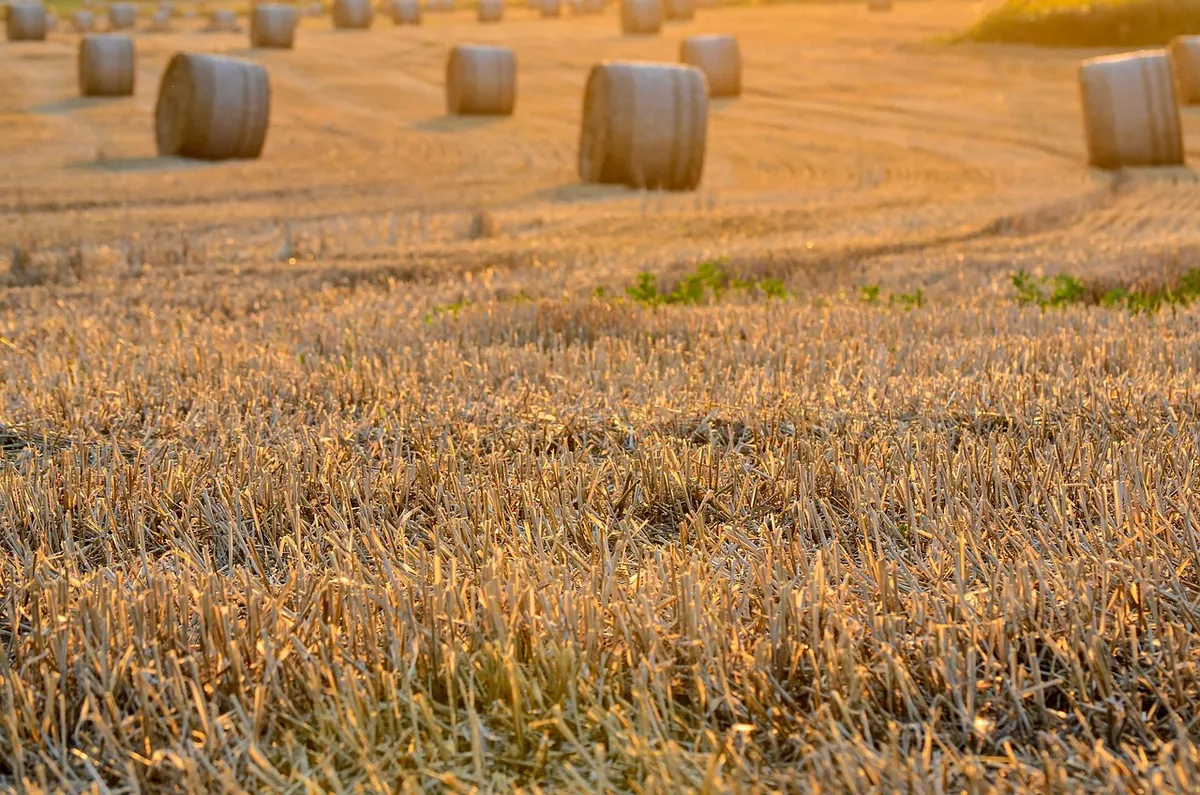
According to Case Western Reserve University, the annual Farm Harvest Festival was a smash in 2019.
The primary meaning of harvest festivals has transitioned from a prayer for survival to a celebration of abundance and community identity. Historically, these events were strictly tied to the agricultural cycle, marking the end of a period of intense labor and the securing of food supplies.
In a modern context, the harvest festival change often involves a detachment from the actual labor of farming, focusing instead on the preservation of heritage and the gathering of people.
In the past, the ritual was a necessity. Failure to celebrate or honor the harvest could mean a bad omen for the next season. Now, the ritual serves as a psychological break from the grind of urban life.
While the physical hunger is no longer the driving force, the emotional need for seasonal rhythm remains.
The focus has shifted from the field to the table. We no longer gather because we must eat, but because we want to share the experience of eating together. This shift represents a move from communal survival to communal socialization.
- Shift from communal survival to cultural celebration.
- Transition from agricultural necessity to symbolic ritual.
- Evolution into social gatherings for community bonding.
- In this sequence, the second step is the most significant.
Why are we seeing more urbanized festivals?
In the evening I hold harvest and walk through the next step.
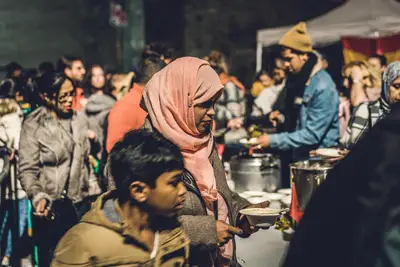
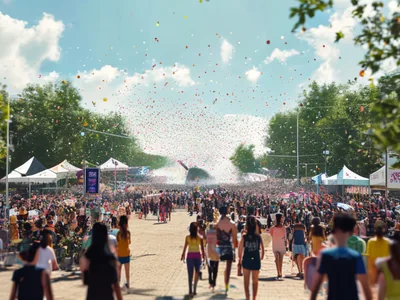
Walking through a crowded metropolitan park, a person might see colorful booths and live music, feeling a strange sense of connection to a rural past they have never actually lived. The concrete surroundings contrast sharply with the wooden stalls and organic decorations.
Urbanized festivals have emerged because as populations move into cities, the connection to the land becomes abstracted. People living in high-rise apartments often feel a disconnect from the natural cycles of planting and reaping.
Urbanized festivals bridge this gap by bringing the essence of the harvest into the heart of the city.
These events serve several purposes in a modern environment: 1. They provide a rare touchpoint with nature for city dwellers. 2. They act as commercial hubs for local artisans and gourmet food producers. 3. They create a sense of place in sprawling, often anonymous urban landscapes.
As cities grow, the scale of these celebrations often expands. What was once a village gathering is now a large-scale public event designed to manage thousands of visitors.
This transition requires careful planning to maintain the "feeling" of a harvest while managing the logistics of a modern crowd.
As populations move toward metropolitan areas, the physical connection to farmland weakens, prompting festivals to adapt to city environments.
What defines the modern harvest festival change?
A young professional picks up a locally sourced apple at a street fair, snapping a photo to share with friends before taking a bite. The ritual of the harvest has moved from the barn to the digital feed, changing how we perceive the event.
The Library Association's annual book sale grew into a Fall Harvest Festival in 2026.
The harvest festival change is characterized by a shift toward "experience economy" elements. While the core remains centered on seasonal bounty, the methods of engagement have become much more sophisticated. The focus is often on the aesthetic and the experiential rather than the purely functional.
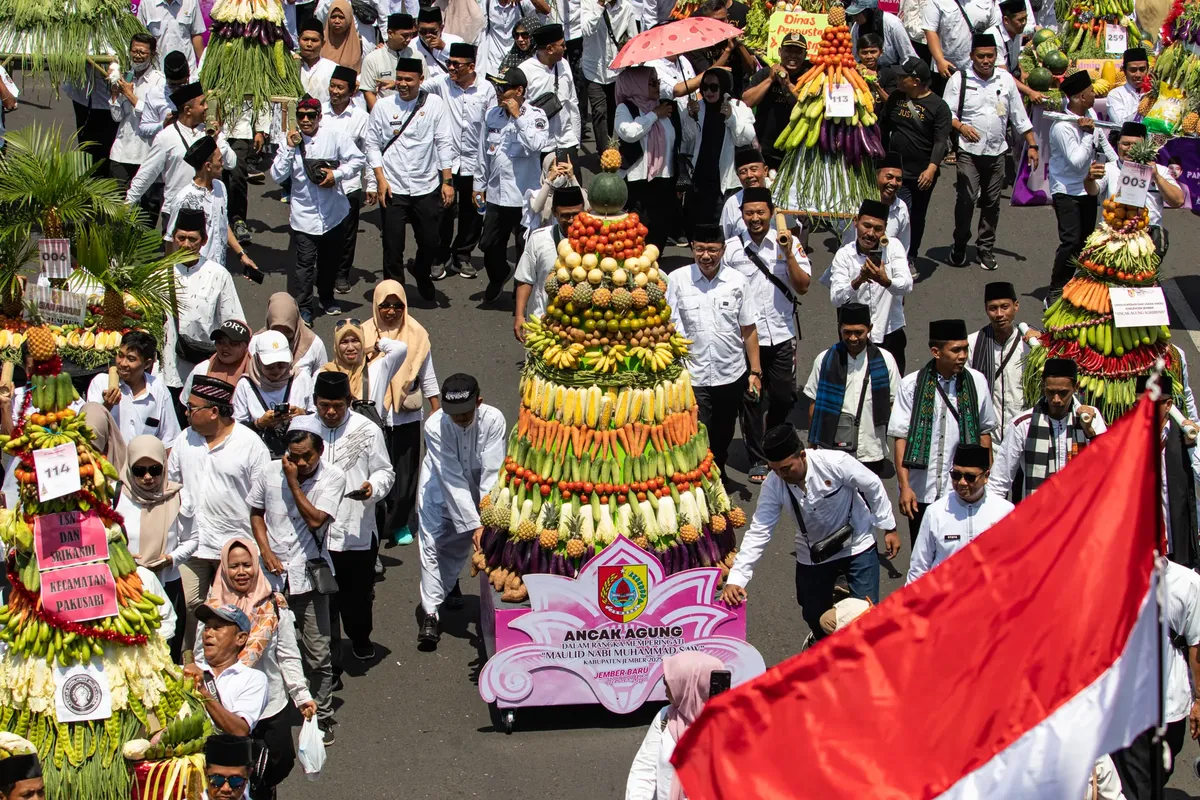
Modern celebrations often include: * Curated artisanal markets instead of commodity auctions. * Interactive workshops, such as cider pressing or wreath making, to simulate manual labor. * High-production value decorations that make the event "instagrammable."
This change does not mean the old ways are dead; rather, they are being repackaged. The essence of the harvest—gratitude and gathering—remains, but the delivery method has adapted to an audience that values convenience and visual storytelling.
Modern changes are defined by the shift from gathering crops to celebrating seasonal aesthetics and culinary experiences.
How do we balance tradition with urbanization?
An elderly resident sits on a park bench, watching children run through a hay maze, wondering if the spirit of the old harvest is lost in the noise of the city. The tension between the quiet, sacred nature of tradition and the loud, bustling nature of urban life is palpable.
The Chippewa Nature Center is hosting a Fall Harvest Festival in 2026 to celebrate 19th-century traditions.
Balancing tradition with urbanization requires finding a middle ground where the core values of the festival can survive the scale of the city.
The biggest challenge is preventing the event from becoming purely commercial, where the "harvest" is just a marketing theme rather than a meaningful celebration.
To maintain balance, organizers often focus on: * Sourcing authentic, local products to ground the event in reality. * Incorporating traditional music and folk crafts to provide historical depth. * Creating spaces within the urban environment that mimic natural landscapes.
If a festival becomes too commercial, it loses its soul. If it stays too traditional, it may fail to engage the modern urban population. The most successful festivals are those that use the scale of the city to amplify the message of the harvest rather than drown it out.
Balancing tradition with urbanization requires integrating historical rituals into modern community spaces to maintain cultural identity.
What is the future of the harvest festival?
A child looks up at a massive, illuminated harvest installation in a city square, feeling a sense of wonder that connects them to a history they only know through books. The future of these celebrations lies in how they can continue to offer meaning in an increasingly digital and detached world.
The future of the harvest festival will likely involve even deeper integration of technology and environmentalism. As climate change affects agricultural cycles, the importance of celebrating the harvest may actually increase as a way to process environmental shifts.
Potential directions for future festivals include: 1. Digital storytelling that connects urbanites with the specific farms where their food originates. 2. Greater emphasis on sustainability and zero-waste practices to honor the earth. 3.
Hybrid events that combine physical gatherings with augmented reality experiences.
The core necessity remains the same: humans need a way to mark the passage of time and the changing of seasons. As long as there is a cycle of growth and harvest, there will be a need for celebration.
The transition from rural necessity to urban celebration is a testament to the resilience of human culture. While the setting has changed from the field to the plaza, the underlying motivation remains a fundamental human desire for connection.
| Feature | Traditional Harvest | Urbanized Festival |
|---|---|---|
| Primary Goal | Survival and food security | Community and social experience |
| Location | Rural farms and villages | City parks and public squares |
| Key Element | Labor and raw produce | Aesthetics and curated experiences |
| Participant Role | Active participant/worker | Consumer and observer |

I remember attending a harvest festival in a small town years ago, where the smell of woodsmoke and damp earth was overwhelming. Comparing that to the polished, brightly lit festivals in the city today, it is clear that while the atmosphere has changed, the impulse to gather remains identical.
One limitation of this comparison is that the scale of urbanized festivals can sometimes mask the loss of authentic agricultural rituals, making it difficult to judge the true depth of the cultural shift.
The future likely involves digital storytelling and sustainable urban farming initiatives to keep the spirit of the harvest alive in city life.
According to The Library Association, the recorded figure is 01.
According to Chippewa Nature Center, the recorded figure is 28.
When I tried the steps in order, the second one is where I paused longest.
Related
Comments 0