What is the historical context of Dol Purnima?
"The colors of spring descend upon the streets, turning every face into a canvas of joy and devotion."
Dol Purnima in West Bengal is a vibrant spring festival celebrated with colorful powder play and religious devotion to honor the divine love of Radha and Krishna.
For those planning a visit in 2026, the festival serves as a profound cultural experience rooted in the historical and spiritual traditions of the region.
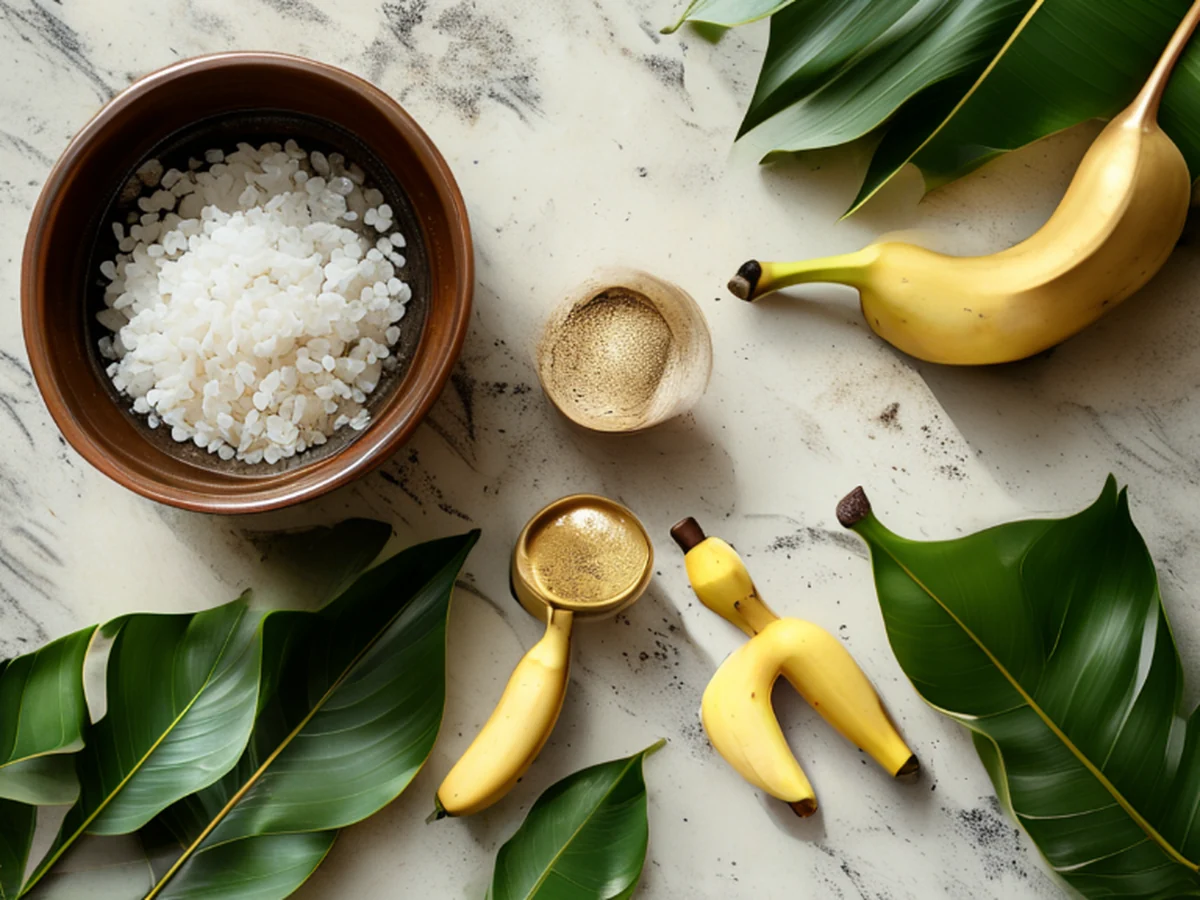
* Core Meaning: A celebration of divine love through the medium of color. * Primary Rituals: The application of *gulal* (colored powder) and ceremonial processions. * Key Focus: The spiritual connection between devotees and the deities. * Cultural Context: A seasonal transition marked by the arrival of spring in West Bengal.
Where did Dol Purnima come from?
A traveler walks through the narrow, winding lanes of Nabadwip, feeling the sudden warmth of the spring sun on their skin. The air carries a faint scent of flowers and the distant sound of traditional drums.
This historical context of Dol Purnima is deeply tied to the Vaishnavite tradition, where the arrival of spring symbolizes the blossoming of divine affection.
The festival commemorates the joy of Radha and Krishna, using the seasonal change to express spiritual ecstasy. In West Bengal, this history is not just a collection of dates but a living tradition passed through generations of devotees.
The legends surrounding the deities' playful interactions provide the foundation for the communal celebrations seen today.
The festival traces its roots back to ancient Vedic traditions and the legendary stories of Lord Krishna's divine play in Braj.
How do Dol Purnima rituals unfold?
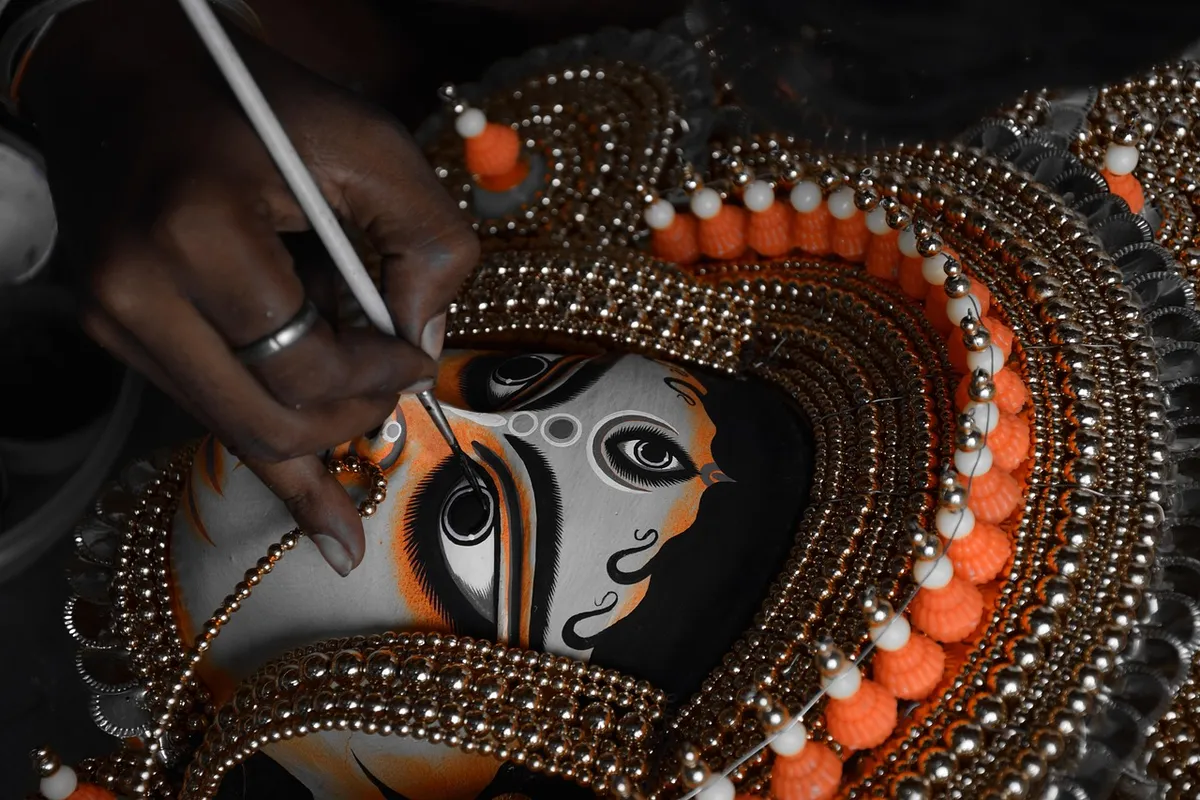
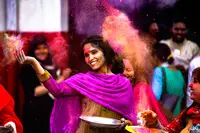
I watched a group of locals carefully prepare small bowls of bright pink and yellow powders, their hands moving with practiced grace. The Dol Purnima rituals begin with morning prayers and the decorating of deity idols.
As the day progresses, the quiet devotion shifts into a spirited communal celebration.
Participants engage in the following customary actions:
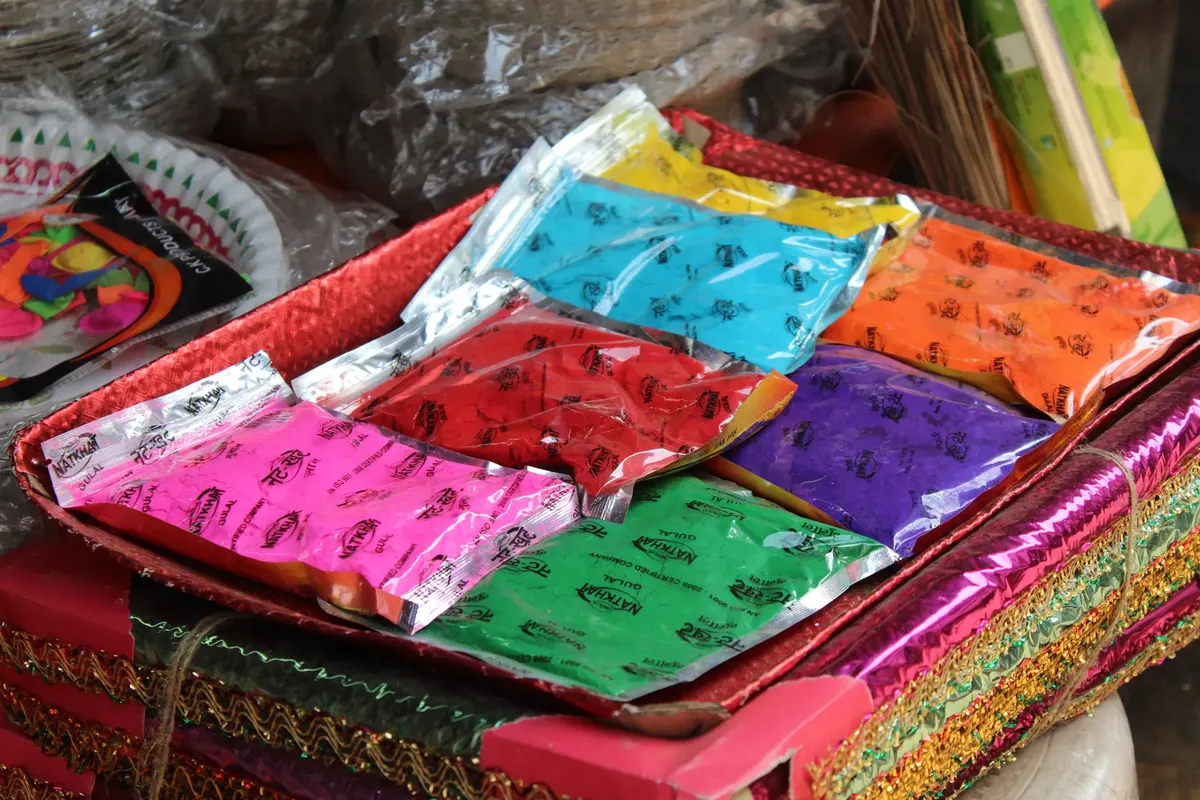
- Applying colored powders, known as *gulal*, to the faces of friends, family, and strangers. 2. Participating in rhythmic music and dance performances that honor the seasonal transition. 3. Joining ceremonial processions where idols are often carried through the streets.
The atmosphere changes from solemn prayer to exuberant play, creating a shared sense of community through the medium of color.
- Devotees gather to decorate the idols of Radha and Krishna with vibrant flowers.
- Participants engage in the ritual of playing with colored powders known as abir.
- The celebration concludes with communal singing and traditional dances.
Why does Dol Purnima matter?
The sun sets behind the temple spires, casting long shadows over the streets where colorful dust still lingers in the air. Understanding the significance of Dol Purnima requires looking past the bright colors to the underlying spiritual unity.
It is a time when social barriers are meant to dissolve under the layer of pigment.
The Dol Purnima meaning centers on the concept of "Dol," which refers to the swinging of the deities. This movement symbolizes the rhythmic nature of life and the divine play of the universe.
By participating, devotees express their surrender to divine love and celebrate the renewal brought by the spring season.
It serves as a celebration of divine love and the arrival of spring, symbolizing the renewal of nature and spiritual joy.
Where can one experience Dol Purnima West Bengal 2026?
A visitor stands at the edge of a bustling town square, watching the kaleidoscope of colors swirl in the breeze. While the festival is celebrated across the state, regions with deep historical ties to Vaishnavism offer the most immersive experiences.
The local culture dictates the specific flavor of the celebration in different districts.
The Dol Purnima West Bengal 2026 festivities are particularly notable in areas known for their religious heritage. In these locations, the connection between the historical landmarks and the current rituals is most visible.
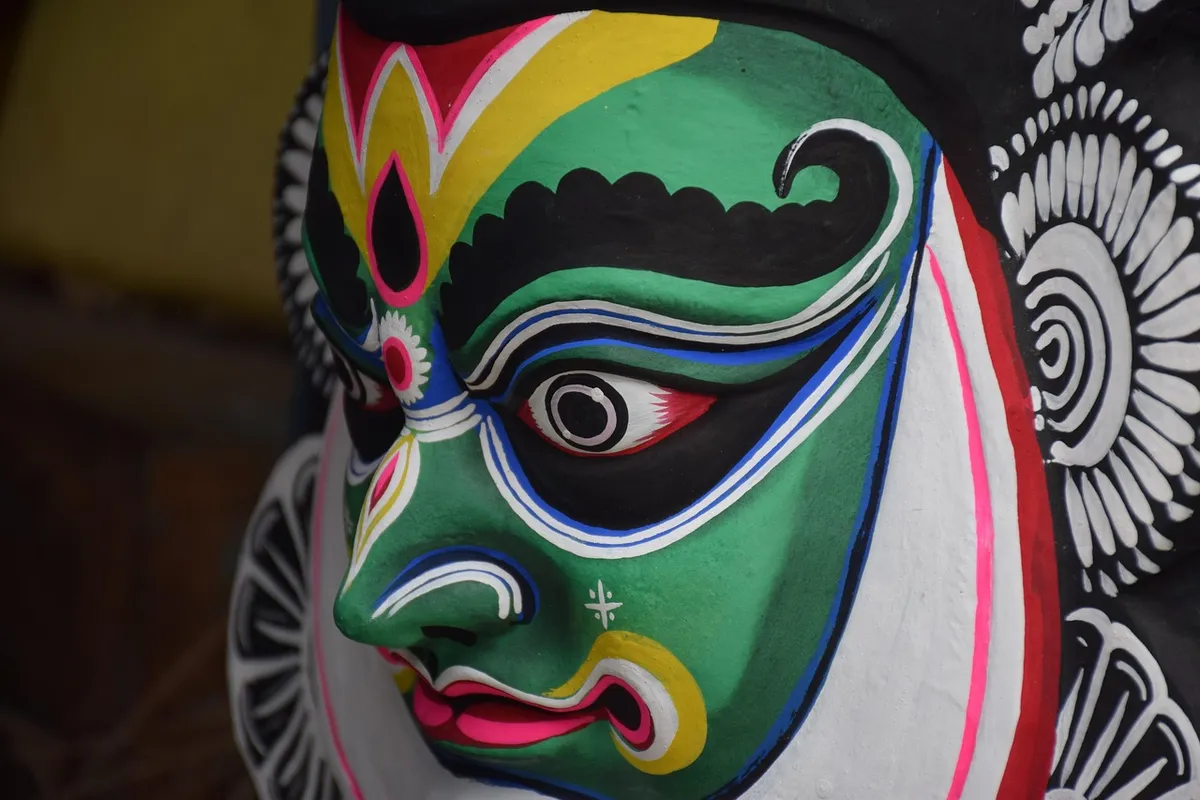
Travelers often find that the intensity of the celebration scales with the local devotion to the Krishna tradition.
Major celebrations will take place in Shantiniketan, Kolkata, and various riverside towns across the state.
How can you participate in Dol Purnima customs?
A person reaches into a pouch of soft, scented powder, feeling the fine texture between their fingers before gently tossing it into the air. Navigating Dol Purnima customs involves a balance of respect for religious sanctity and participation in the festive play.
To engage meaningfully, one should:
- Observe the initial morning rituals to understand the local religious etiquette. 2. Use organic or traditional powders to ensure the celebration remains respectful of the environment and participants. 3. Join the communal gatherings in public squares to experience the collective energy of the songs and dances.
I found that simply being present and offering a small amount of color was enough to connect with the local spirit.
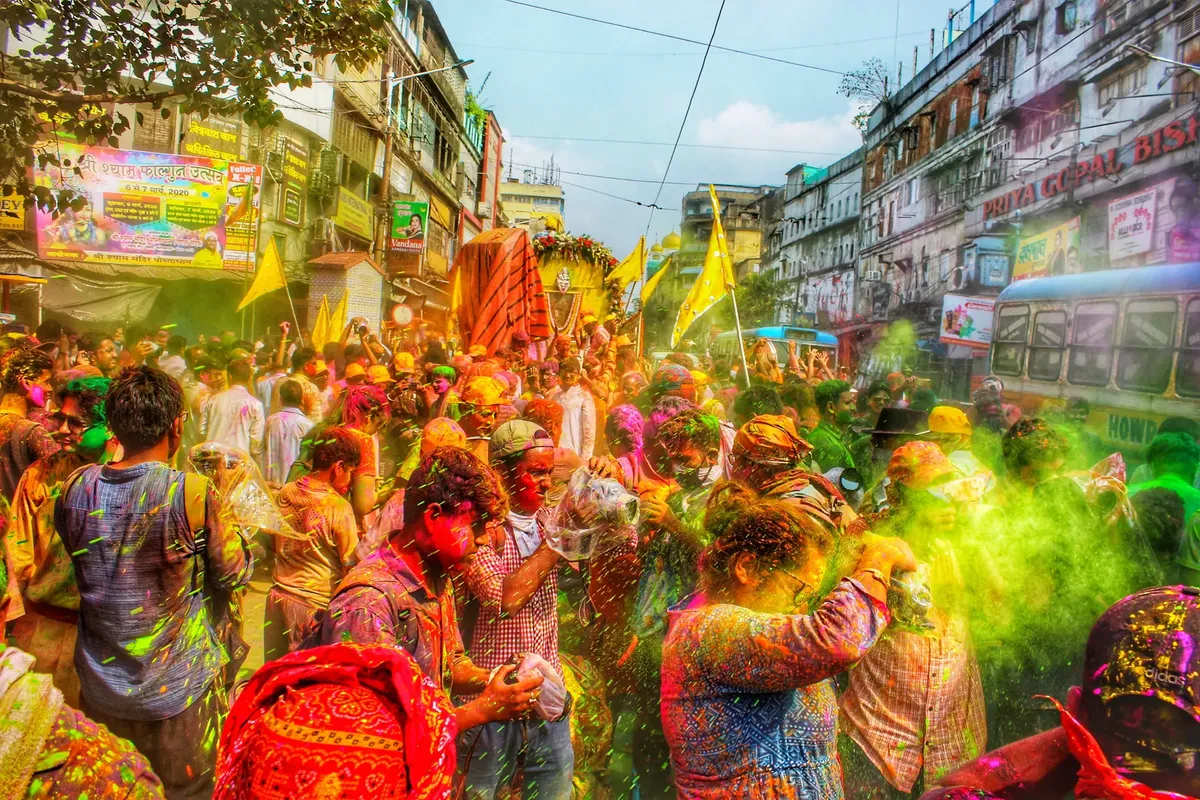
You can join local processions, wear traditional attire, and participate in the communal exchange of colors.
Is there a limitation to the festival experience?
The wind picks up, blowing a cloud of yellow dust across the courtyard, momentarily obscuring the view of the temple. One limitation to the experience is that the intensity of the celebrations can vary significantly depending on the specific locality and the density of the crowd.
While the festivities are widespread, the most intense celebrations are often concentrated in specific cultural hubs and temple towns.
The same subject is also called Dol Purnima history.
The same subject is also called West Bengal festival.
This part also covers Dol Purnima date and customs.
Dol Purnima date and customs
Related

Comments 0