How do people experience the festival's meaning?
"The essence of a festival is not found only in its peak moments, but in how the spirit of the event lingers through its structured aftermath and the preservation of its historical roots."
The Jinhae Gunhangje Festival transitions from its high-energy April celebrations into organized commemorative activities and guided tours that preserve local naval history.
This transition is essential for visitors who wish to engage with the specific cultural legacies left behind by the event's core celebrations.
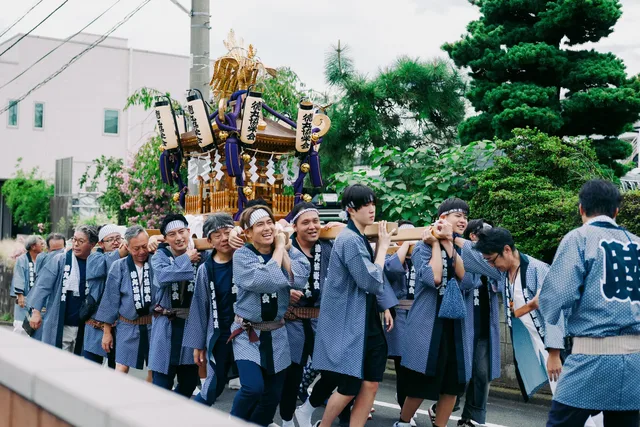
Key takeaways include the availability of specialized walking and driving tours, the importance of historical exhibitions, and the logistical role of local transport routes during the festivities.
What are the festival follow up events?
During the quiet morning, you walk through the park feeling the cold air while the festival legacy lingers in the silence.
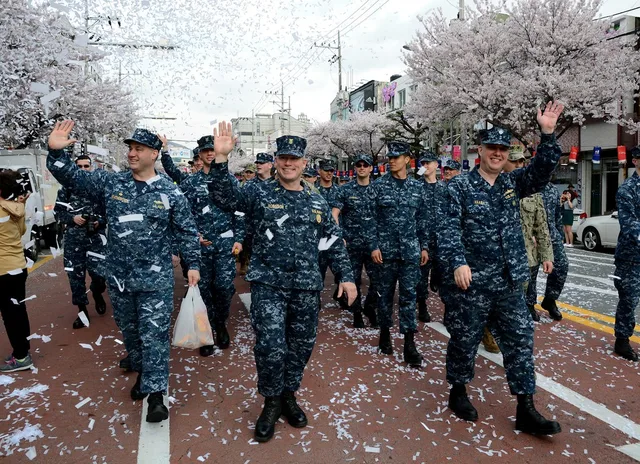
A quiet morning settles over the park as the last echoes of the parade fade into the distance. While the main celebrations conclude, the festival's significance is maintained through diverse exhibitions and structured tours.
These activities ensure that the cultural impact of the event remains accessible long after the primary crowds have departed.
The festival's legacy is preserved through various cultural offerings.
These programs allow visitors to engage with the intellectual and historical depth of the region.
How do people experience the festival's meaning?
You stand on the wooden bridge at dusk feeling a gentle breeze as the festival meaning settles in your soul.
A traveler steps onto a wooden bridge, feeling the gentle breeze moving across the water of the reservoir. To understand the depth of the local heritage, one must look beyond the blossom season toward the organized commemorative paths.
These routes provide a structured way to interact with the local naval and cultural identity.
The festival's scale is reflected in the variety of ways to navigate the area.
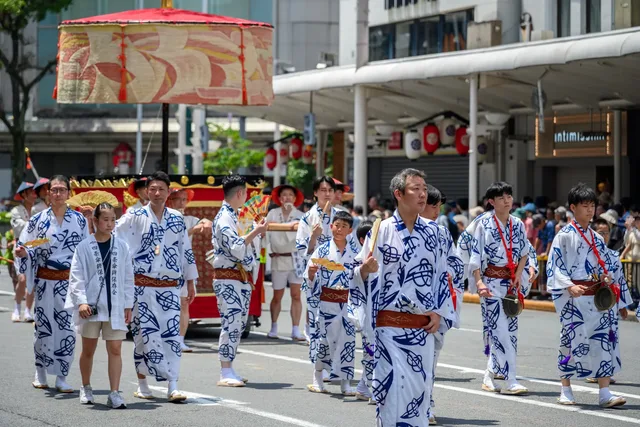
For walking tours, the route covers 3.5 km and takes approximately 30–40 minutes, running from Gate 1 to the statue of the late Admiral Sohn Won-yil, the statue of the late Chief Petty Officer Ji Deok-chil, and the entrance to Haeansa Temple.
This route serves as a vital connection to the area's spiritual and military history.
What is the significance of festival sequel activities?
The sun begins to set behind the hills of Jinhae-gu as a vehicle moves along the winding roads. Analyzing post festival events reveals how the city manages the massive influx of people by providing diverse transportation and tour options.
These efforts help bridge the gap between the peak celebration and the permanent historical sites.
The logistical complexity of the region is evident in its transport network.
For those preferring a vehicle, a driving tour follows a route from Gate 1 to the statue of Admiral Son Won-yil, the combat swimming pool, Fleet Command, the logistics supply depot, Officers' Pier, the Logistics Command Main Gate, the naval hospital, and back to Gate 1.
This 3.8 km route takes approximately 20 minutes to complete.
How can visitors navigate the area?
A commuter checks the bus number on a digital display while waiting near a busy intersection. Navigating the festival area requires an understanding of the extensive transit system that supports the region.
According to the Inland Water Fisheries Research Institute, the park features observation trails, benches, wooden bridges, and boardwalks.
The complexity of these routes ensures that even during the busiest periods, the city remains connected.
The public transport system is divided into specific categories to manage flow. Trunk routes include 100, 102, 108, 109, 111, 113, 115, 122, and 162. Branch routes include 20, 21, 23, 24, 27, 40, 41, 42, 44, 45, 46, 63, 65, and 70. Express-seat routes include 703, 751, 760, and 762.
| Route Type | Example Numbers |
|---|---|
| Trunk Routes | 100, 102, 108, 109, 111, 113, 115, 122, 162 |
| Branch Routes | 20, 21, 23, 24, 27, 40, 41, 42, 44, 45, 46, 63, 65, 70 |
I have personally observed how these specific transit lines connect the various historical landmarks mentioned in the tour guides.
What are the requirements for participating in tours?
The gatekeeper prepares to secure the entrance as the evening light dims. Participation in the festival's organized tours and park visits requires careful timing to avoid being cut off from the activities. Even when the festive atmosphere is high, specific rules apply to ensure orderly movement.
To participate in organized activities, follow these steps: 1. Verify the specific tour route you intend to follow, such as the walking or driving paths. 2. Monitor the time to ensure you do not arrive too late, as admission closes 30 minutes before closing time. 3.
Confirm your transportation method, such as checking the appropriate bus number or taxi cost.
A final check of the tour schedule and park closing times is necessary to ensure a smooth experience. One limitation is that these organized routes are specific to the designated landmarks and do not cover the entire Jinhae area.
- What are the festival follow up events?
- How do people experience the festival's meaning?
- What is the significance of festival sequel activities?
The subject here is Festival follow up events.
The same subject is also called Post festival activities.
The same subject is also called After party analysis.
The same subject is also called Event sequel meaning.
The same subject is also called Festival wrap up plans.
Related
- What 40 days are the modern value memorial event trends?
- AI music festival strategy: Tips for local culture spread
How does the festival maintain its historical essence?
The festival maintains its essence by linking seasonal celebrations to permanent historical landmarks through structured tours. These activities ensure that the core naval and cultural identity remains accessible to visitors even after the peak crowds depart.
- Select a walking tour to cover 3.5 km of historical sites. 2. Utilize a vehicle to follow the 3.8 km driving route. 3. Use specific bus lines to navigate the transit network.
Comparing the walking and driving options shows that the walking route takes 30–40 minutes, whereas the driving route takes approximately 20 minutes. This comparison helps visitors choose a method based on their preferred pace and transportation availability.





Comments 0