Lamps: History and evolution of lamps guide
"The detective and police make their way down to a bank vault by lantern light but then put a 'screen over that dark lantern' in order to wait in the dark for thieves to finish tunnelling."
The history of the lamp represents a journey from basic survival to deep cultural expression. This article explores how lighting tools transitioned from functional necessities to symbols of tradition and modern tourism.
* The shift from practical illumination to cultural heritage. * How traditional festivals influence modern local economies. * The role of lighting in storytelling and community.
How did the history of lamps shape human activity?

At midnight in the silent forest, the traveler gripped the heavy iron lamps as the cold wind bit at their skin.
A traveler holds a flickering flame against the wind to light a narrow path through a dark forest. For much of human history, the history and evolution of lamps centered on providing visibility for survival and security.
Early lighting tools were essential for navigating the darkness of night, whether for work or movement. In literature, such as the Sherlock Holmes story "The Red-Headed League," characters use lantern light to navigate toward a bank vault.
This scene illustrates how a dark lantern served as a vital tool for practical tasks before the advent of electricity.
The transition from mere utility to symbolic importance began as people moved from survival toward social gatherings. Lighting became a way to mark time, celebrate seasons, and gather communities under a shared glow.
This evolution set the stage for much more complex uses of light in the centuries that followed.
What is the cultural value of lanterns in modern society?
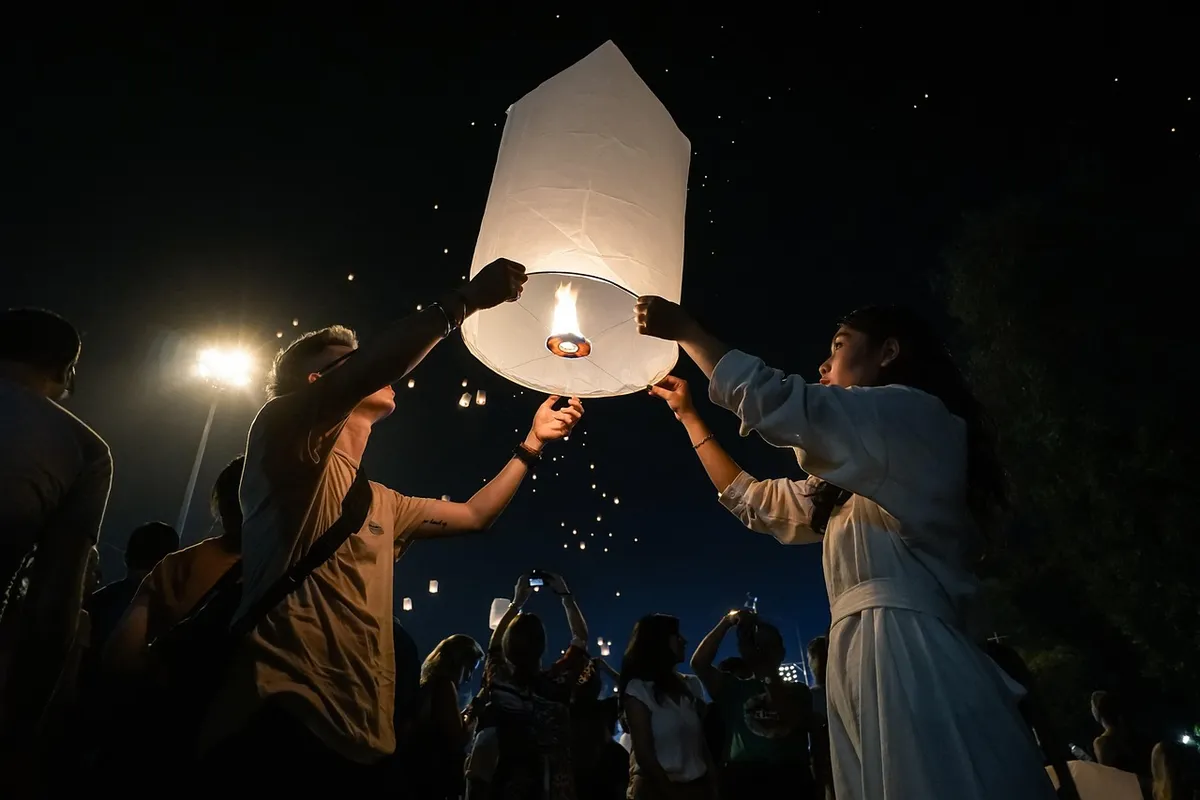
During the festival at the town square, people watched the bright lamps rise into the night sky while feeling the warmth of the glowing embers.
A festival attendee watches a bright paper lantern rise slowly into the night sky, casting a warm glow over the crowd. The cultural value of lanterns often stems from their ability to represent hope, wishes, or communal identity during significant life events.
In many regions, these objects are no longer just tools for sight but are central to identity. For instance, the Pingxi Sky Lantern Festival in Taipei, Taiwan, has become a significant event. The Taiwan Lantern Festival Tourism Bureau highlights how such traditions draw people together.
These gatherings turn a simple light source into a shared experience that connects generations. While the physical object remains a light, the meaning behind the glow has expanded to include spiritual and social connections.
This legacy keeps the tradition alive even in a world filled with electric light.
How does the evolution of lighting tools affect local economies?
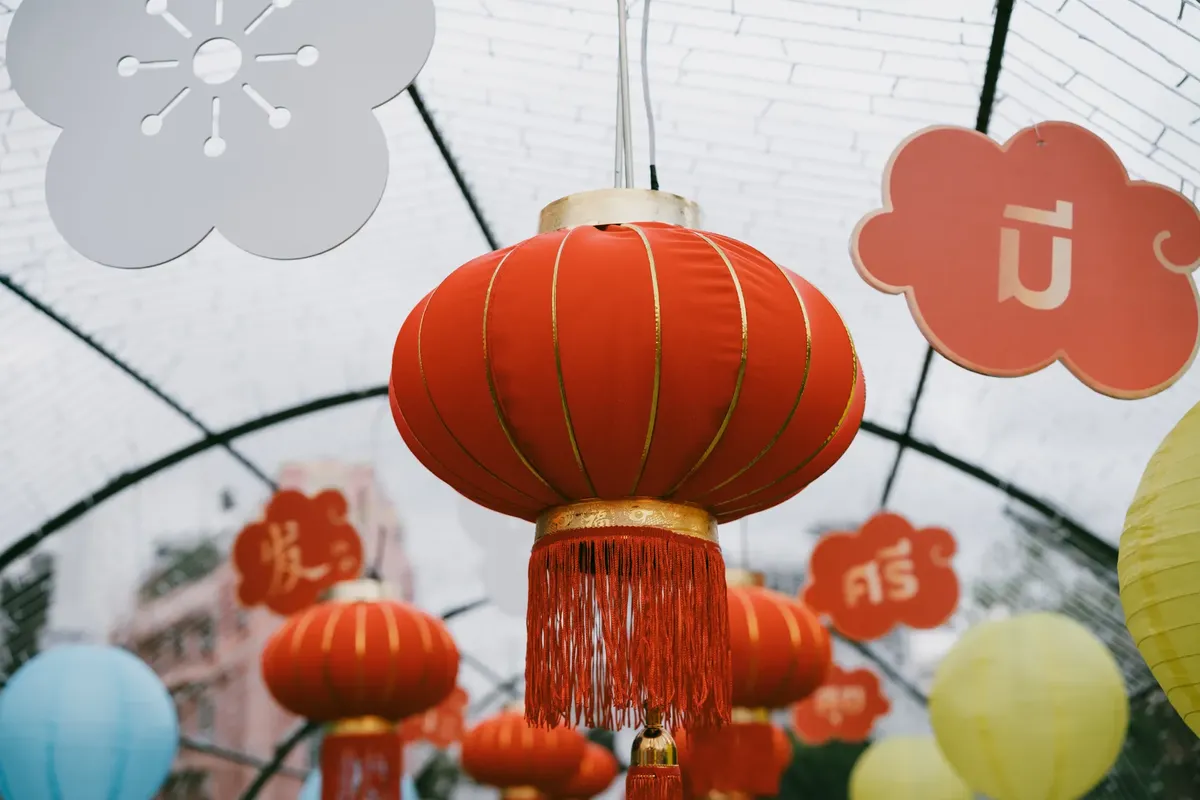
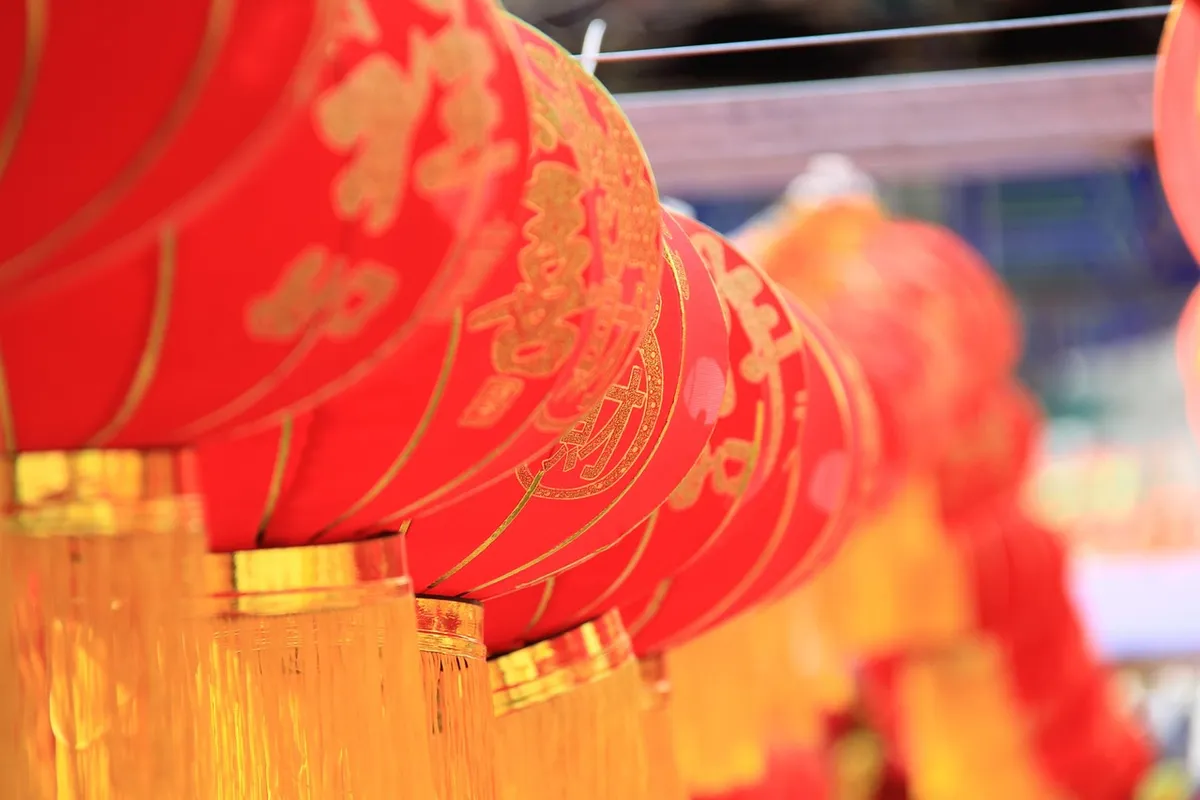
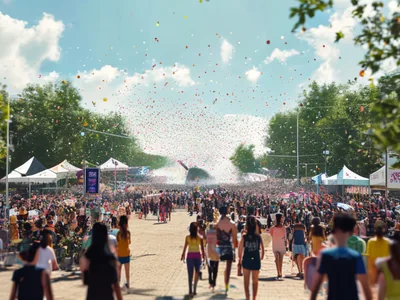
A small shop owner prepares dozens of handmade lanterns to meet the sudden surge of visitors during a seasonal festival. The evolution of lighting tools has moved from individual household use to large-scale cultural events that drive local growth.
When traditions like the Taiwan Lantern Festival in Miaoli occur, they create significant engagement for the surrounding area. These events demonstrate how lamp legacy and development can transform a quiet town into a bustling destination.
The influx of visitors helps support local businesses and maintains the relevance of traditional crafts.
The economic impact of these festivals often depends on the ability to turn a historical practice into a repeatable event. By celebrating these light-based traditions, communities can secure their own future through tourism and heritage preservation.
This momentum ensures that the light of the past continues to shine on the modern economy.
How do we see lamp legacy and development in modern tourism?
A tour guide points toward a brightly lit street, explaining how ancient light traditions paved the way for modern city aesthetics. The lamp legacy and development are visible in how modern cities integrate traditional lighting into urban design and tourism.
Modern festivals often take the historical essence of a lantern and scale it for large crowds. This scale allows for a unique blend of lamp history to local economy, where the spectacle of light attracts global interest.
It is a way to honor the past while generating contemporary support for the community.
By maintaining these traditions, cities can create a unique brand that distinguishes them from more generic urban environments. The light does not just illuminate the street; it illuminates the unique history of the place.
This connection between the past and the present is a key driver of modern cultural tourism.
What is the role of lamp tradition and sustainability in the future?
A designer carefully selects eco-friendly materials to construct a lantern that will rise safely into the night air. The intersection of lamp tradition and sustainability is a growing concern as modern societies look to honor history without causing environmental harm.
As festivals grow, the materials used must be considered to ensure the longevity of the tradition. Balancing the desire for spectacle with environmental responsibility is a modern challenge for many organizers.
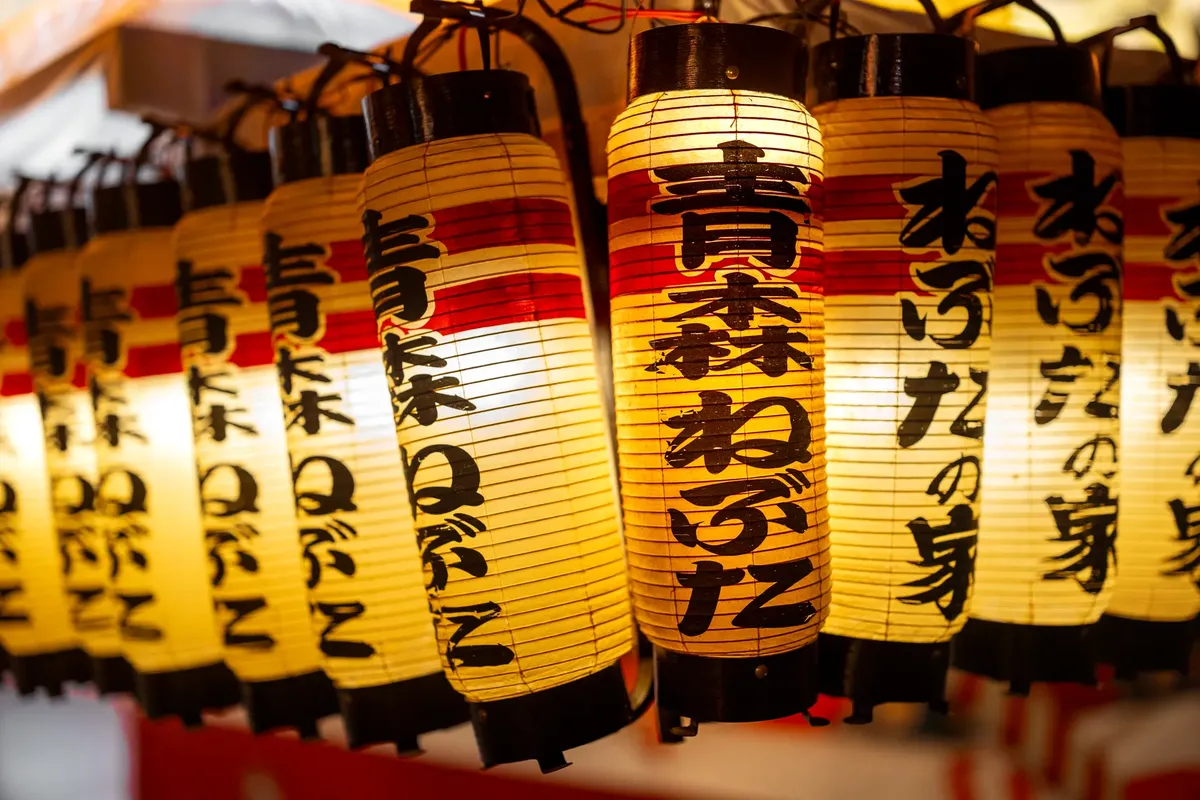
This careful management ensures that the light of the tradition remains a positive force for future generations.
Sustainable practices allow these festivals to continue without losing their original charm. By adapting the tools of the past to the needs of the present, communities can ensure that their cultural light remains bright.
This thoughtful approach preserves the essence of the ritual while respecting the world it inhabits.
- How did the history of lamps shape human activity?
- What is the cultural value of lanterns in modern society?
- How does the evolution of lighting tools affect local economies?
History and evolution of lamps
The same subject is also called Lamp history and modern use.
This part also covers Cultural value and modern growth.
Related

Comments 0