Ritual elements of religious rites: Modern view tips
"A religious occasion turns into a festival of brotherhood and peace."
Ritual elements of religious rites often bridge the gap between sacred tradition and communal unity. This exploration examines how specific ceremonial components foster peace and how these practices are interpreted in a contemporary context.
* Understanding the transition from sacred ritual to community festival. * Identifying core components of religious observance. * Comparing historical ritualistic elements with modern interpretations. * Recognizing the role of ritual in global religious identity.
How do ritual elements of religious rites foster communal peace?

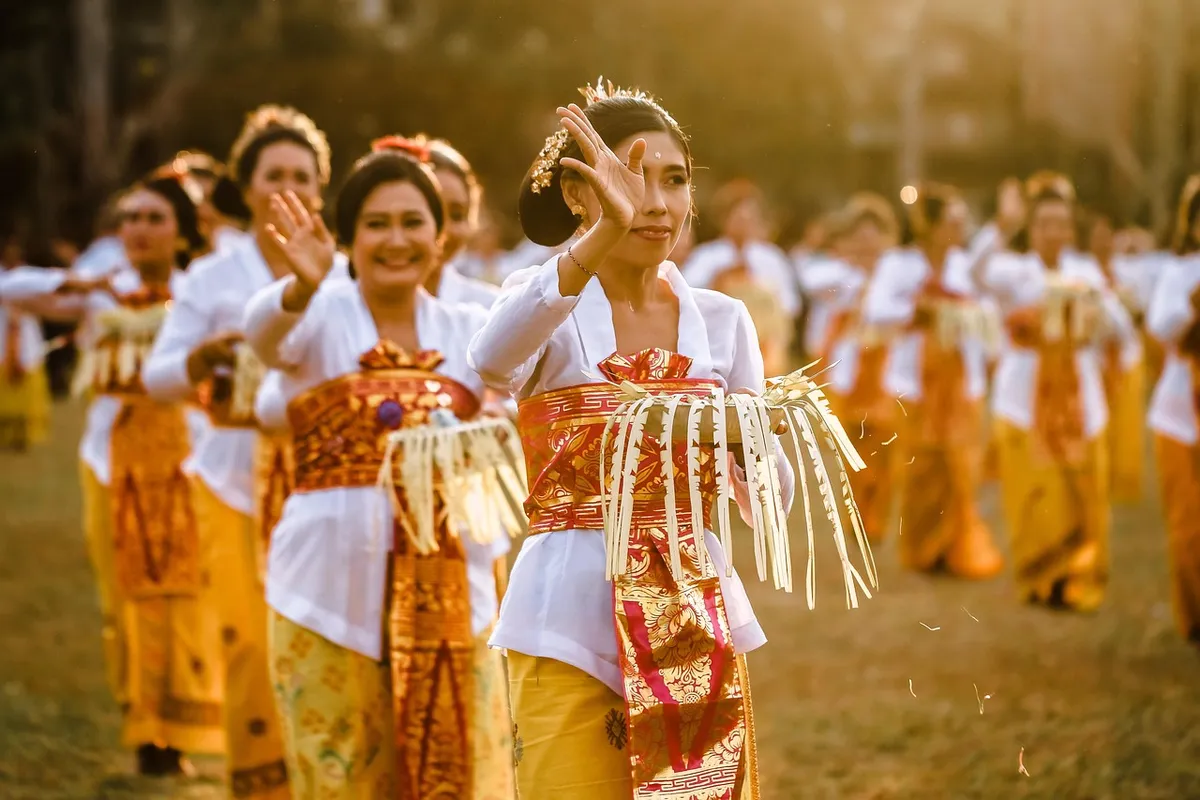
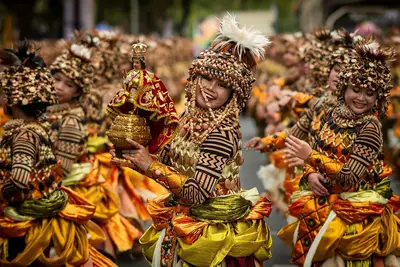
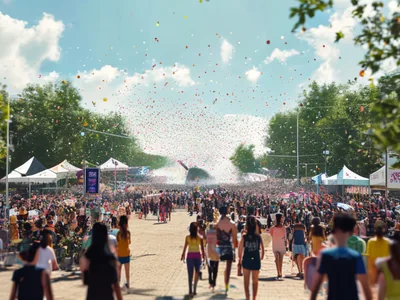
A group of people gathers in a sunlit courtyard to perform a traditional dance, turning a solemn prayer into a shared celebration. This transition from a private spiritual moment to a public gathering demonstrates how ritual elements of religious rites can strengthen social bonds.
According to the Iraqi News Agency, the Yazidi Jama Festival serves as a religious occasion that transforms into a festival of brotherhood and peace. This shift suggests that ritualized actions are not merely about individual piety but serve to build community cohesion.
By moving from strict liturgical adherence to a broader celebration, the ritual becomes a tool for peace.
The scope of these gatherings often extends beyond the immediate practitioners to include neighbors and different social groups. Such festivals demonstrate how sacred ceremony components can act as a bridge between different community members.
This transformation ensures that the ritual remains relevant to the living community while honoring its spiritual roots.
- Establish shared values through symbolic actions.
- Create a sense of collective belonging.
- Resolve interpersonal tensions through ritualized reconciliation.
What are the primary sacred ceremony components in traditional worship?
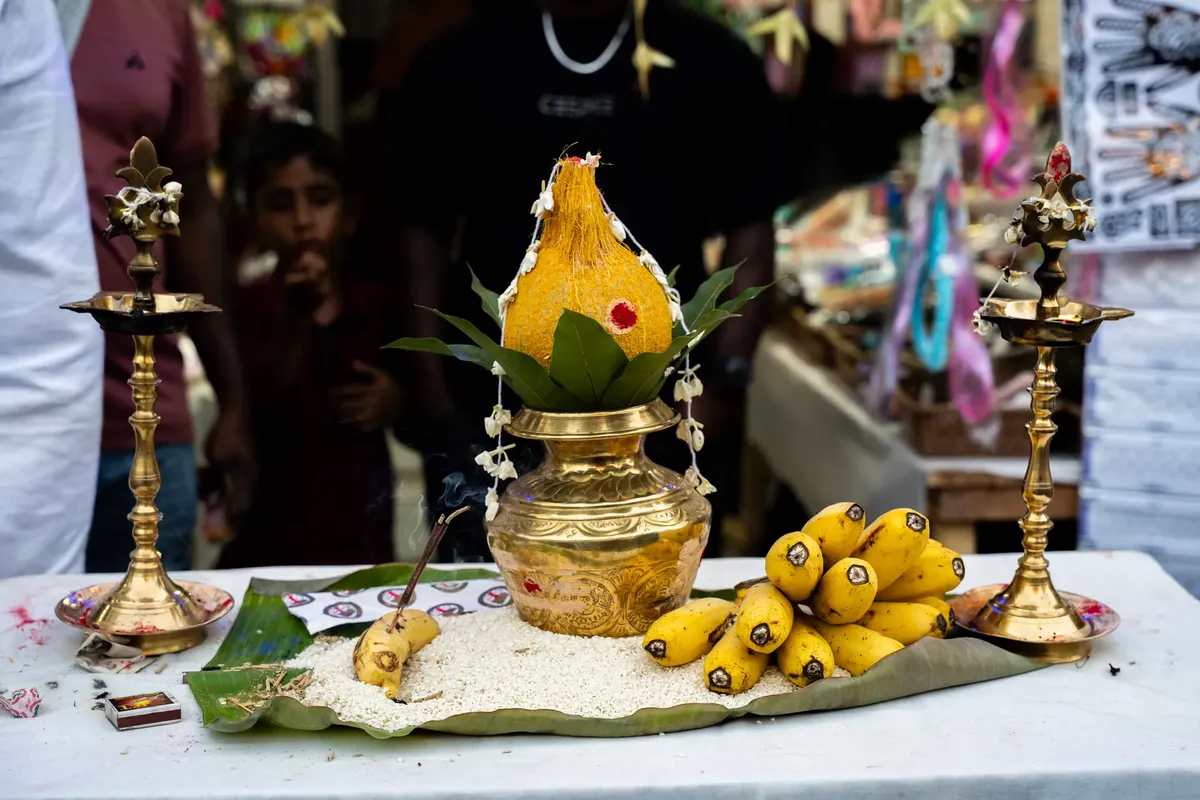
Inside the dim temple, the priest lifts a heavy incense burner during the dawn ritual, filling the air with a sweet, smoky scent.
An elder lifts a silver vessel during a quiet morning service, carefully pouring liquid as a symbol of purification. These sacred ceremony components are often the foundation of long-standing religious traditions.
In many traditions, the use of specific objects, gestures, or timed actions defines the ritual. Faith festival rituals often rely on these repetitive, symbolic acts to establish a sense of the divine.
These elements serve to separate the sacred time from the mundane, creating a space for reflection and communal identity.
The consistency of these elements helps maintain the continuity of the faith across generations. Worship rite elements are often passed down through oral tradition or written liturgy, ensuring that the core meaning remains intact.
While the setting may change, the fundamental components provide a recognizable structure for believers.
In this sequence, the second step is the most extensive.
How do religious observance parts change in a modern context?
A young person uses a smartphone to record a traditional chant, blending ancient sounds with digital presence. This intersection of the old and new illustrates how religious observance parts are being reinterpreted in a modern world.
Modernity often introduces new tools and social structures into traditional settings. While the core of the ritual might remain unchanged, the way it is experienced and shared can shift significantly.
This adaptability allows faith to remain a living part of contemporary life rather than a relic of the past.
The tension between tradition and change is a constant theme in religious evolution. Some view modern adaptations as a dilution of sanctity, while others see them as necessary for survival. Ultimately, the ritual meaning today is often a negotiation between these two perspectives.
How does religious identity compare across global populations?
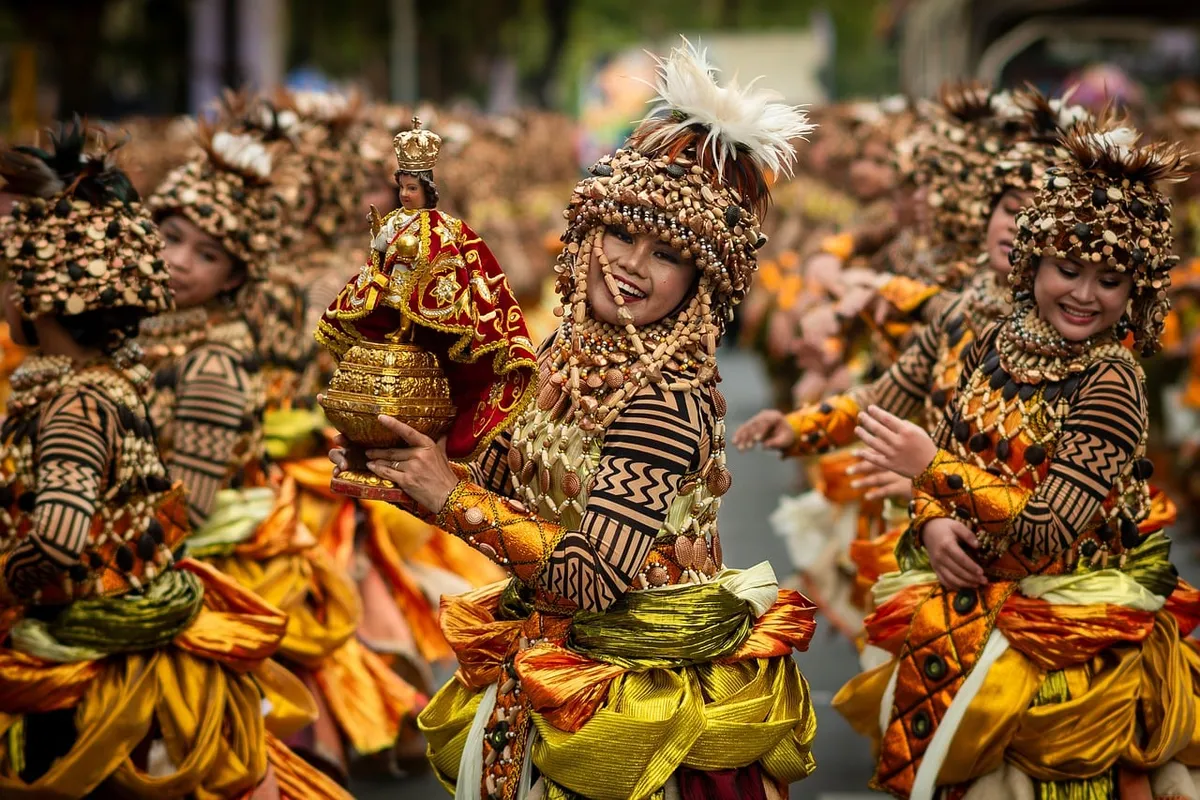
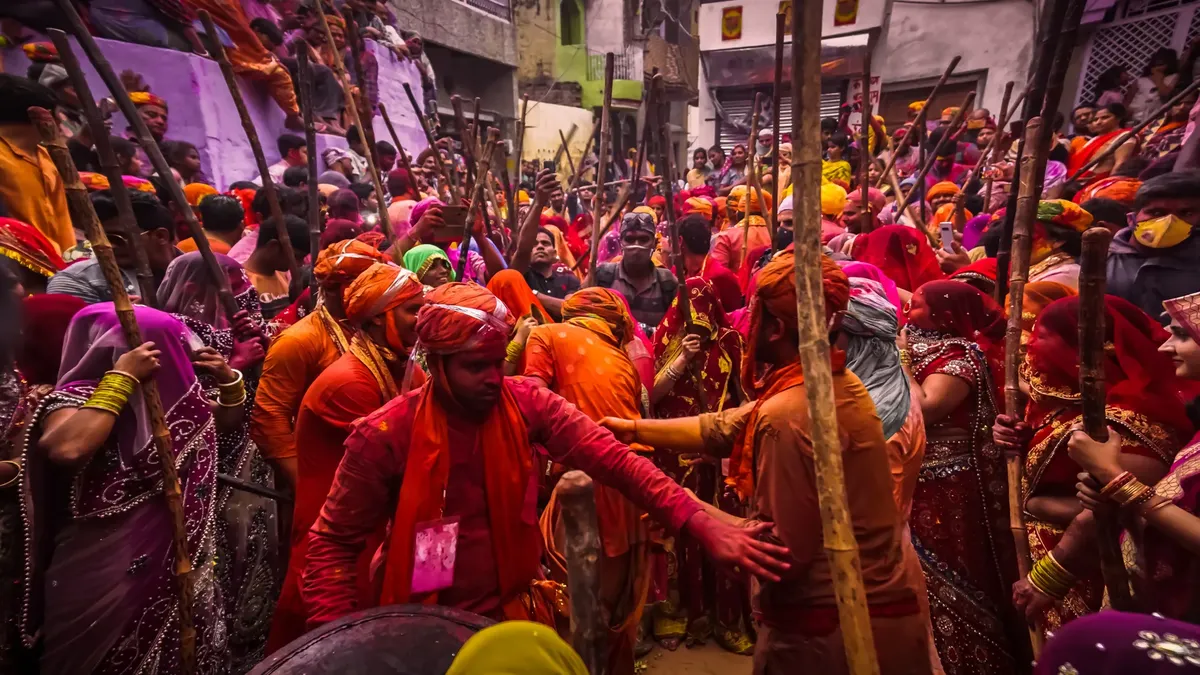
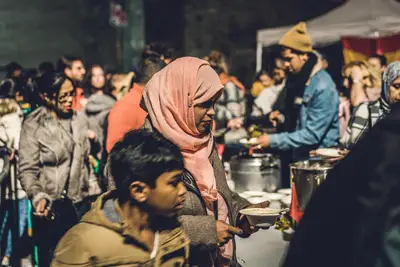
A traveler walks through a crowded marketplace, observing the diverse ways people express their faith through dress and ritual. This visual diversity highlights the vast scale of global religious belief.
According to the Pew Research Center, the organization published an estimation of the proportions of the major religious groups in 2020.
The scale of religious identity is immense, involving billions of people across various traditions. According to a 2015 poll, 63% of the globe identified as religious, while 22% identified as not religious, and 11% identified as convinced atheists.
These figures reflect the widespread presence of faith in human society.
The diversity of these beliefs is reflected in the different ways rituals are practiced. For example, the four largest religious groups by world population—Christianity, Islam, Buddhism, and Hinduism—account for an estimated 5.8 billion people, or 73% of the population.
Each group maintains unique ritualistic expressions that define their specific identity.
Why do ritual practices remain significant despite shifting demographics?
A community leader speaks to a group of attentive listeners about the importance of maintaining their ancestral customs. This scene reflects the effort to preserve ritualistic identity in a changing world.
Ritual provides a sense of continuity and belonging that is often sought in an unpredictable world. Even as demographics shift, the underlying need for structured expression of belief remains. These practices offer a framework for understanding life's major transitions and communal milestones.
The stability of ritual can be a stabilizing force during times of social upheaval. By providing a predictable structure, religious rites help individuals navigate change. This sense of permanence is a key reason why ritualistic elements of religious rites continue to be practiced globally.
What are the limitations of studying religious ritual elements?
A researcher sits in a quiet library, carefully documenting the nuances of a specific liturgical text. This focused work highlights the complexities involved in analyzing religious practices.
Analyzing rituals requires an understanding of both the external actions and the internal meanings held by practitioners. A limitation in such studies is that the subjective experience of the believer is often difficult to quantify or fully capture through external observation.
The study of ritual is also limited by the specific cultural and historical context of the group being studied. For example, the relative numbers for Buddhism and Hinduism can be dependent on the extent of syncretism within those populations.
This complexity means that a single definition of ritual may not apply to all traditions.
This part also covers Ancient rites modern view.
This part also covers Festival practice today.
Ancient rites modern view
Related

Comments 0