Can AI film technology enhance the director's vision?
"The intersection of technology and storytelling creates a new landscape for cinematic expression."
The 2026 AI film festival represents a pivotal moment where advanced computational tools meet traditional narrative craftsmanship. This event focuses on how AI film production can enhance creative workflows while maintaining artistic integrity.
Key takeaways include an exploration of AI in movie making, the impact of automated tools on visual storytelling, and the evolving relationship between human directors and algorithmic assistance.
How does the 2026 AI film festival shape the future of cinema?
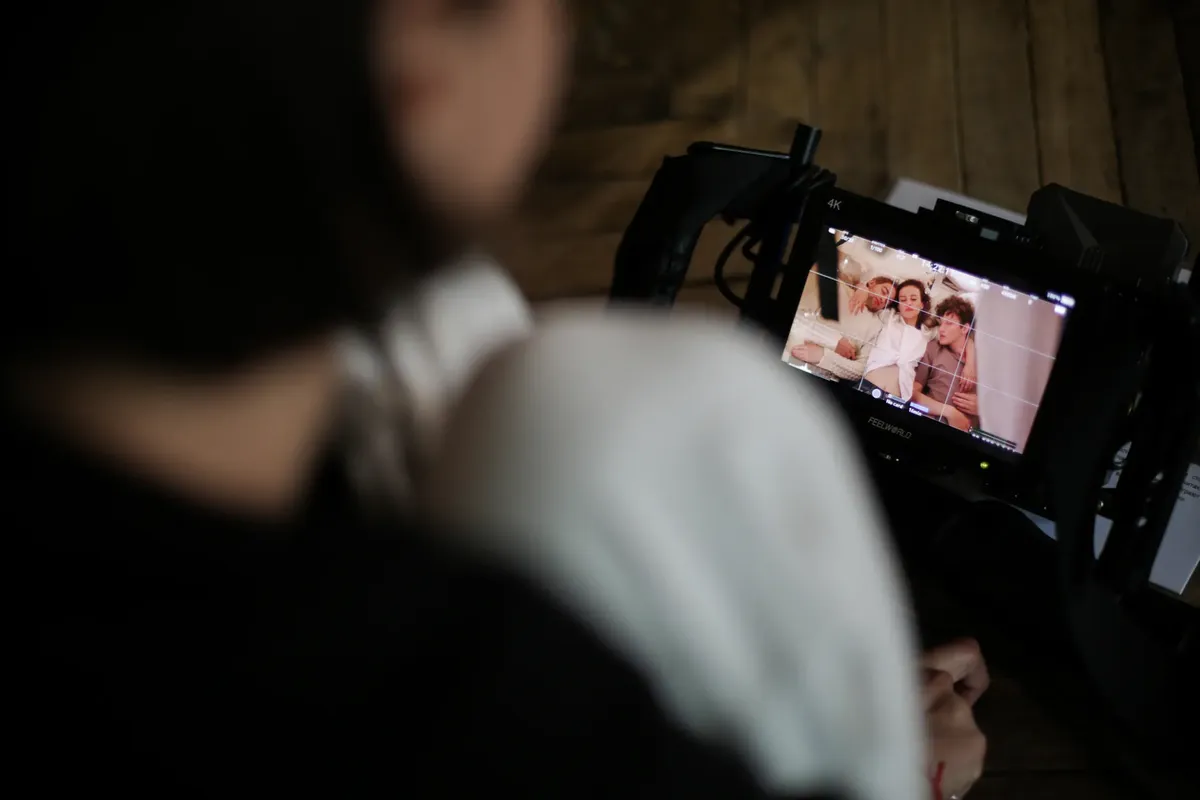
A technician adjusts a high-resolution monitor in a dim screening room, watching a generative sequence transition seamlessly into a live-action shot. The 2026 AI film festival serves as a testing ground for these emerging workflows, bridging the gap between manual editing and automated generation.
This gathering allows creators to demonstrate how AI film technology can act as a collaborator rather than a mere replacement.
The festival provides a platform to examine how AI in movie making changes the speed and scale of production. By bringing together developers and filmmakers, the event highlights the potential for new visual languages.
This environment encourages a dialogue on how to balance technical innovation with emotional depth in every frame.
This festival serves as a preview of the creative shifts that will define the next decade of filmmaking.
How will AI change the way stories are told?
In my dark studio at midnight, I tap the glowing tablet and watch my written words morph into a seamless film. In my quiet studio at midnight, I tap the screen to watch the AI film production turn my written words into a vivid visual world.
A writer sits at a desk, typing prompts that transform prose into detailed storyboards on a tablet. The shift toward AI film production allows for rapid prototyping of visual concepts, enabling directors to visualize complex scenes before a single camera is set.
This process streamlines the pre-production phase, allowing for more experimentation with lighting and composition.
Integrating these tools into the creative process ensures that the vision of the director remains central. The goal is to use technology to expand the boundaries of what can be captured on screen.
This approach focuses on how automation can handle repetitive tasks, leaving more time for narrative development.
AI acts as a collaborative partner that expands the boundaries of narrative structure and visual expression.
Can AI actually make a director's vision better? A director gestures toward a screen, showing a cinematographer how an AI-generated environment reacts to a moving light source. Using AI film technology helps in creating immersive worlds that were previously too costly or complex to build physically.
This capability allows independent filmmakers to compete with larger studios by providing access to high-end visual effects.
The focus remains on the synergy between human intuition and machine precision. By leveraging these tools, creators can explore surreal or hyper-realistic settings with greater ease. This evolution changes how visual narratives are constructed and experienced by audiences.
By automating technical minutiae, these tools allow directors to focus more intensely on their artistic intent.
How will next gen film workflows change the industry?
An editor navigates a complex timeline where AI-driven tools suggest cuts based on the emotional rhythm of the music. Exploring next gen film workflows involves understanding how deep learning can assist in color grading, sound design, and even character animation.
These advancements promise to redefine the standard for high-quality production across various genres.
The transition to these new methods requires a fundamental shift in technical training and artistic philosophy. As workflows become more automated, the role of the human creator evolves toward curation and high-level decision-making.
This change ensures that the heart of the story remains the priority.
The transition toward these workflows involves several key shifts: 1. Moving from linear production to iterative generative processes. 2. Integrating real-time rendering into the pre-visualization stage. 3. Bridging the gap between concept art and final footage instantly.
What are the practical steps for integrating AI into film making?
A filmmaker attends a workshop, carefully entering parameters into a specialized software interface. To successfully integrate these tools, creators can follow these steps:
- Master prompt engineering to translate artistic intent into accurate visual outputs. 2. Integrate AI tools into existing software pipelines to maintain consistency in resolution and style. 3. Use generative tools for pre-visualization to refine shot compositions before principal photography.
A final check involves reviewing the AI-generated elements against the original creative brief to ensure stylistic cohesion. I remember adjusting a lighting parameter in a test render to match a physical set, ensuring the digital and real worlds blended perfectly.

In this sequence, the second step is the most extensive.
What are the limitations of AI in cinema?
A projectionist pauses a film to examine a flicker in a digitally enhanced sequence. While the potential is vast, the technology is not a universal solution for all creative challenges.
A significant limitation is that the effectiveness of these tools depends on the quality of the input data and the specific technical parameters set by the user. For example, certain stylistic nuances may be lost if the training data does not reflect the specific artistic intent of the filmmaker.
Despite its potential, AI still struggles with nuanced emotional depth and consistent character continuity.
Related
How does the intersection of technology and storytelling evolve?
The intersection of technology and storytelling drives a fundamental shift in how visual narratives are conceived and executed. This evolution moves beyond mere digital enhancement to embrace deep collaboration between human vision and computational power.
The festival highlights this shift from tool usage to partnership in the creative endeavor.
This partnership allows the director to maintain ultimate control while benefiting from the speed and scale afforded by advanced computation. The technology becomes an extension of the director's intent, executing complex visualizations that might otherwise be beyond practical reach.
Ultimately, the successful application of these tools depends on the ability of the filmmaker to guide the machine toward a specific artistic outcome. The human touch remains the critical element steering the technological capability toward meaningful art.
Wikipedia: Sundance Film Festival (full) Based on the retained excerpt mentioning Brooklyn Academy of Music: From 2006 through 2008, Sundance Institute collaborated with the Brooklyn Academy of Music (BAM) on a special series of film screenings, performances, panel discussions, and special events bringing the institute's activities and the festival's programming to New York City.







Comments 0