Water festival history: 70% guide to ancient rites
"Water is the lifeblood of civilization, shaping how we celebrate, survive, and sustain our growing populations."
Understanding the history of water festivals requires looking at how ritualistic water use transitioned into modern resource management and cultural preservation.
This guide explores the roots of water rites, the shift toward modern water events, and how these traditions maintain cultural significance through the lens of global water history.
How did ancient water rites shape our relationship with nature?

At dawn by the riverbank, the traveler kneels to touch the cold water and feel the pulse of the earth.
A traveler stands by a riverbank, watching the sun rise over the water that has sustained life for millennia. Ancient water rites often centered on the necessity of this resource for survival and growth.
Historically, these traditions were tied to the immediate needs of the community, such as irrigation or ritual cleansing. These early practices laid the groundwork for how societies viewed water as both a sacred and a practical necessity.
The connection between culture and water remains strong, as seen in how certain traditions are recognized globally. For instance, on December 6, 2012, the Festival was declared Intangible Cultural Heritage of Humanity by UNESCO in a session held in Paris.
This recognition highlights how deep-seated traditions can transition from local customs to global treasures.
In this sequence, the first step represents the foundational connection between humanity and the elements.
Why did past water celebrations evolve into modern water events? Water festival history
A community gathers in a town square, preparing for a seasonal celebration that brings everyone together. Past water celebrations were often localized, focusing on specific harvests or seasonal changes.
As societies grew, these celebrations transformed. What began as a way to honor the source of life became a way to manage and celebrate the abundance of the resource. This transition reflects the changing needs of humanity as we moved from survival to complex social structures.
Modern water events often mirror these historical needs but on a much larger scale. Today, the management of such resources is a global concern, involving complex policies and international cooperation.
- Identify the core symbolic meaning of the original ritual.
- Observe how the community's social needs changed over time.
- Adapt the traditional elements to fit modern social gatherings.
How do we understand the transition from ritual to recreation?
A group of children runs through a courtyard, splashing playfully in the sunlight. The movement from ritual to recreation shows how the emotional connection to water has expanded.
In many cultures, the focus shifted from strictly religious or survival-based use to social and recreational engagement. This change allows communities to maintain a sense of joy and connection to the element while addressing modern social needs.
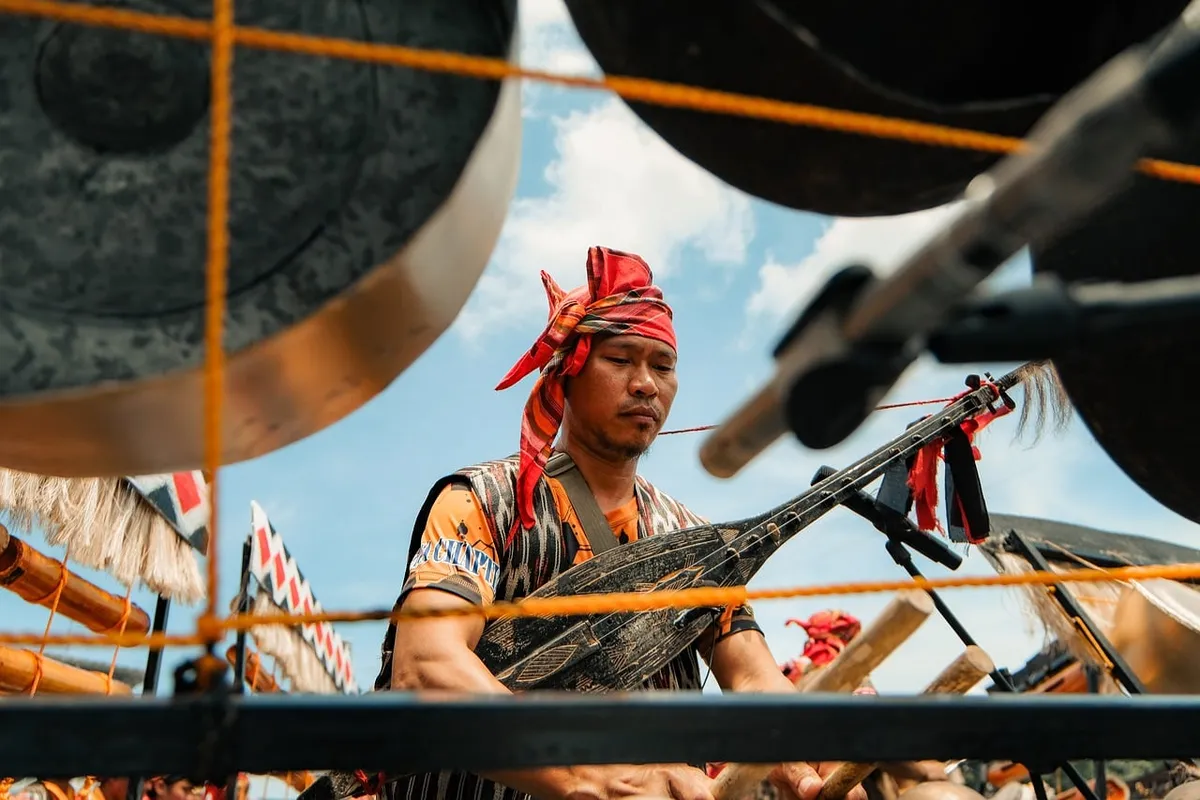
This evolution is not just about fun; it is about maintaining a bond with a vital resource. The cultural significance of these gatherings ensures that the history of the community is passed down through generations.
In this order, the second step is the most extensive.
What is the cultural significance of water in global history?
An elder tells a story to a group of listeners, gesturing toward the flowing stream nearby. Throughout history, the cultural significance of water has been a unifying force for diverse peoples.
Water has been a central theme in storytelling, art, and social organization. These elements help define the identity of different groups, providing a shared history that transcends borders.
The legacy of these traditions is often preserved through formal recognition. The transition from tradition to today involves balancing these historical roots with the realities of modern life.
How can we manage the shift from tradition to today?
A policymaker sits at a desk, reviewing documents that detail the future of water usage. Managing the shift from tradition to today requires a careful balance of cultural respect and practical resource management.
According to the Environment Agency, total water abstraction for public water supply in the UK was 16,406 megalitres per day in 2007.
To navigate this transition, societies often follow these steps:
- Identify the historical and cultural roots of local water practices. 2. Integrate these traditions into modern sustainability frameworks. 3. Develop policies that protect both the resource and the cultural heritage.
A final check ensures that these policies do not erase the original meaning of the traditions they aim to preserve.
How does the interplay of tradition and recreation affect sustainability?
A farmer looks over a field, considering the water needed for the next season. The interplay of tradition and recreation can influence how a society approaches sustainability.
When cultural practices are integrated with modern science, the result can be a more holistic approach to water management. This helps ensure that the needs of the population are met without losing the soul of the culture.
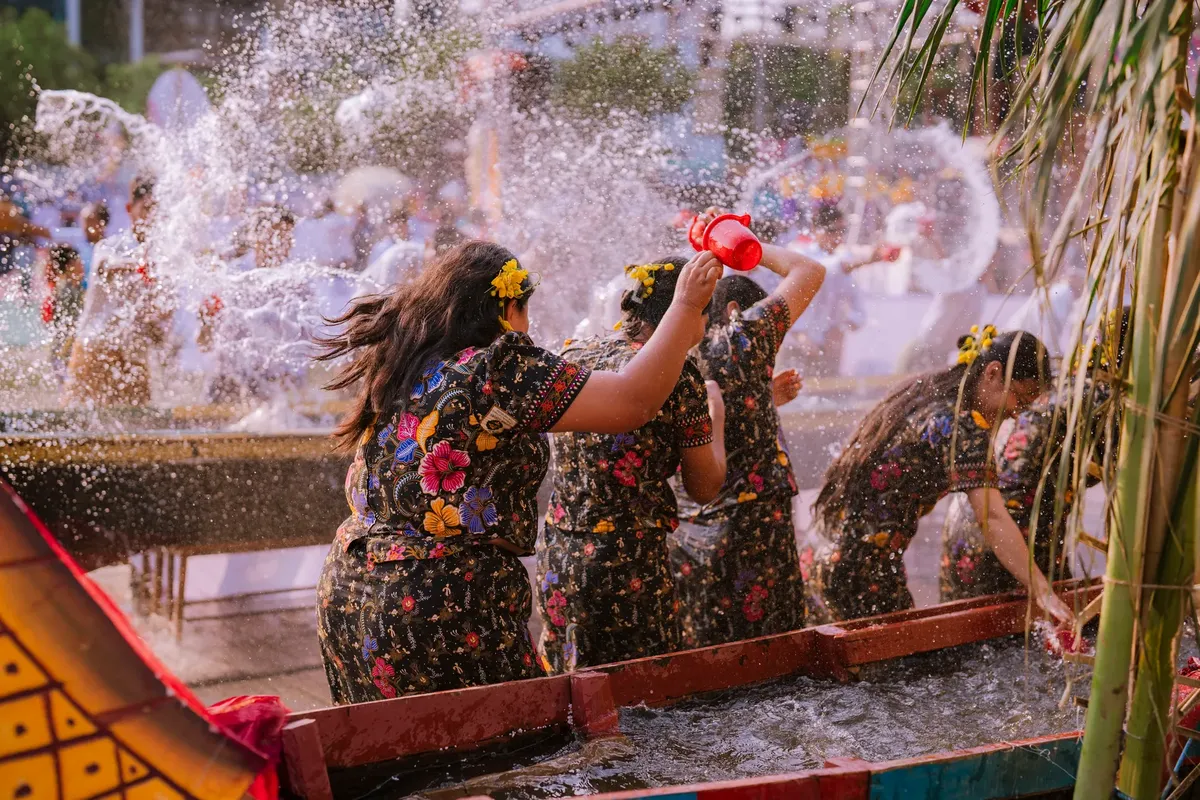
The following table compares two different perspectives on water use:
| Aspect | Historical Focus | Modern Focus |
|---|---|---|
| Primary Goal | Ritual and Survival | Sustainability and Policy |
| Scope | Localized Communities | Global and National |
I observed how these two perspectives often overlap during local festivals.
A limitation of this overview is that it cannot account for every specific regional variation in water tradition.
Wikipedia: Water Based on the retained excerpt mentioning The World Health Organization: The World Health Organization estimates that safe water could prevent 1.4 million child deaths from diarrhea each year.
The subject here is Water festival history.
The same subject is also called Water festival roots.
Related
- Water festivals how to manage a massive water event
- Water festivals: Guide to the purpose of these celebrations
How does the modern context affect the ancient rites?
The modern context provides a framework through which the ancient rites are viewed. The shift from localized survival needs to global concerns mirrors the expansion of the water's role.
This modern lens allows for the preservation of the water's cultural meaning while addressing contemporary environmental pressures.
The water, the lifeblood of civilization, continues to hold its deep cultural weight. This enduring quality allows the traditions to survive shifts in technology and societal structure. The rituals, once tied solely to immediate survival, now carry the weight of global stewardship.
This continuity demonstrates that the relationship between humanity and water is dynamic. It moves beyond mere physical necessity to encompass deep cultural memory and collective responsibility.




Comments 0