La Tomatina tomato toss origin: A guide to the tradition
"The streets of Buñol turn into a sea of red, a chaotic yet joyful explosion of color that defines the spirit of the town."
The La Tomatina tomato toss origin is rooted in a spontaneous street brawl that occurred in the town of Buñol, Spain, during the mid-20th century. This tradition evolved from a sudden clash between young people into one of the most famous food fights in the world.
Understanding the festival requires looking at its unpredictable beginnings and how a localized skirmish transformed into a global cultural phenomenon.
Key takeaways: * The festival began as a spontaneous brawl during a local parade. * It transitioned from a random street fight into a regulated annual tradition. * The cultural meaning centers on community spirit and shared joy.
How did the La Tomatina tomato toss origin begin?
The sound of running feet and shouting voices once filled the narrow streets of Buñol during a local parade. In the heat of the moment, a group of young people engaged in a spontaneous fight, grabbing tomatoes from a nearby vegetable stall to throw at one another.
This sudden outburst of energy created a chaotic scene that would eventually define the town's identity.
This impromptu fight became the foundation for what is now a massive celebration. While the exact year is often debated by locals, the spirit of the event was born from the unpredictability of a crowded street. People gathered, tension rose, and suddenly, the pavement was covered in red pulp.
This messy encounter was not planned, yet it captured the collective energy of the participants.
The transition from a brawl to a structured event took years of community acceptance. What started as a simple disagreement turned into a ritual that people looked forward to every August.
The messy reality of the street fight provided the spark for a tradition that would eventually draw visitors from across the globe.
Where did the La Tomatina tradition actually begin? A heavy crate of ripe tomatoes sits on a wooden table, ready to be used in the upcoming festivities. The weight of the fruit represents the sheer scale of the tradition that has grown since those first accidental throws.
This ritualistic throwing of food has become a symbol of letting go of daily constraints and embracing pure, uninhibited fun.
The tradition is not merely about the mess; it is about the shared experience of the crowd. Unlike other festivals that follow strict religious or historical reenactments, this one grew from the bottom up. The community embraced the chaos, turning a moment of conflict into a moment of unity.
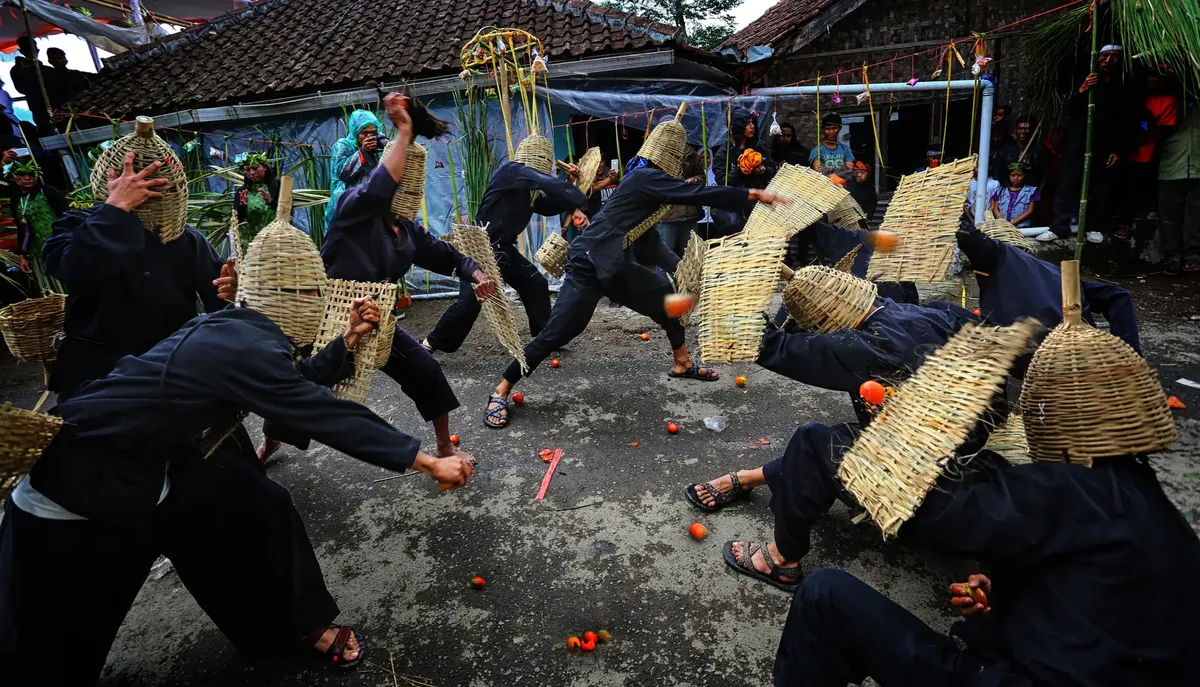
This unique history ensures that the festival remains distinct from more formal Spanish traditions.
The social fabric of the town was reshaped by this recurring event. What was once seen as a nuisance by some became a vital part of the town's heritage. The ritualized nature of the fight allows for a safe release of energy, turning a potential conflict into a structured playground for all ages.
Why is this tomato throwing ritual so meaningful? The red juice stains the cobblestones, marking the ground where thousands of people gather to celebrate. This physical mark of the festival serves as a reminder of the communal bond formed through the shared mess.
For many, the red streets represent a temporary escape from the rules of everyday life.
The cultural role of the festival is to foster a sense of belonging and joy through shared absurdity. It breaks down social barriers, as everyone becomes equally covered in juice.
This leveling effect is a core part of the festival's meaning, where status and background disappear under a layer of red.
This unique tradition serves as a bridge between the local community and the outside world. While it remains deeply rooted in Buñol, its global recognition has brought a new level of visibility to the region.
The ritual acts as a living history of the town's ability to turn a random moment into a lasting legacy.
How does the festival maintain its unique character?
A single tomato is squeezed in a hand, ready to be launched toward a group of laughing strangers. The tactile sensation of the fruit and the sight of the red clouds in the air define the sensory experience.
Maintaining this character requires a balance between organized logistics and the feeling of spontaneous chaos.

The festival must manage the massive influx of people while preserving the raw energy of the original brawl. Local authorities and organizers work to ensure the event remains safe without stripping away the excitement.
The balance is delicate, as too much structure might kill the spirit that started it all.
Part of the charm lies in the organized mess. The town prepares for the sudden influx, turning the preparation into a ritual of its own. This preparation ensures that the town can handle the physical impact of the event while keeping the focus on the joy of the tradition.
What are the essential steps to participate in the festival?
The preparation involves clearing the streets and setting the stage for the red deluge. Participants must understand the flow of the event to navigate the narrow streets safely. Following the established local procedures allows the festival to continue its annual cycle smoothly.
- Participants gather in the town center before the official start time to find a spot in the crowd. 2. When the signal is given, participants engage in the mass tomato throwing, ensuring they use overripe tomatoes to prevent injury. - I remember the feeling of the heavy, soft tomatoes hitting the ground as the crowd surged forward. 3. After the designated time ends, the streets are cleaned to restore the town to its original state.
A final check of the area ensures that the streets are cleared of debris after the festivities conclude. This cleanup is a vital part of the cycle, returning the town to its normal life.
Is there a limitation to the festival's growth?
A person stands in a red-stained street, looking at the empty space where the crowd once was. The scale of the event is massive, but it is limited by the physical capacity of the town's narrow streets. This physical constraint acts as a natural boundary for the festival's size.

The primary limitation is the physical space of Buñol, which can only accommodate a certain number of participants. If the crowd grows too large, the safety and the spirit of the event could be compromised. This constraint keeps the festival grounded in its local roots.
The history of the event shows that while it has grown, it remains tied to the specific geography of the town. The streets that saw the first brawl are the same ones that host the modern tradition. This connection to place is what keeps the history alive.
- How did the La Tomatina tomato toss origin begin?
- What is the La Tomatina tomato toss origin in terms of tradition?
- What is the cultural significance of the tomato throwing ritual?
Related



Comments 0